To fish a lake right after it gets stocked, fish the unloading point and fish it shallow. WDFW’s own advice is that freshly stocked trout hold just under the surface in 3 to 5 feet of water and stay near where the hatchery truck put them in, and that it usually takes a week or two before they spread out and move deeper. That single detail is most of what the “last stocked” date on a lake page is worth to you.
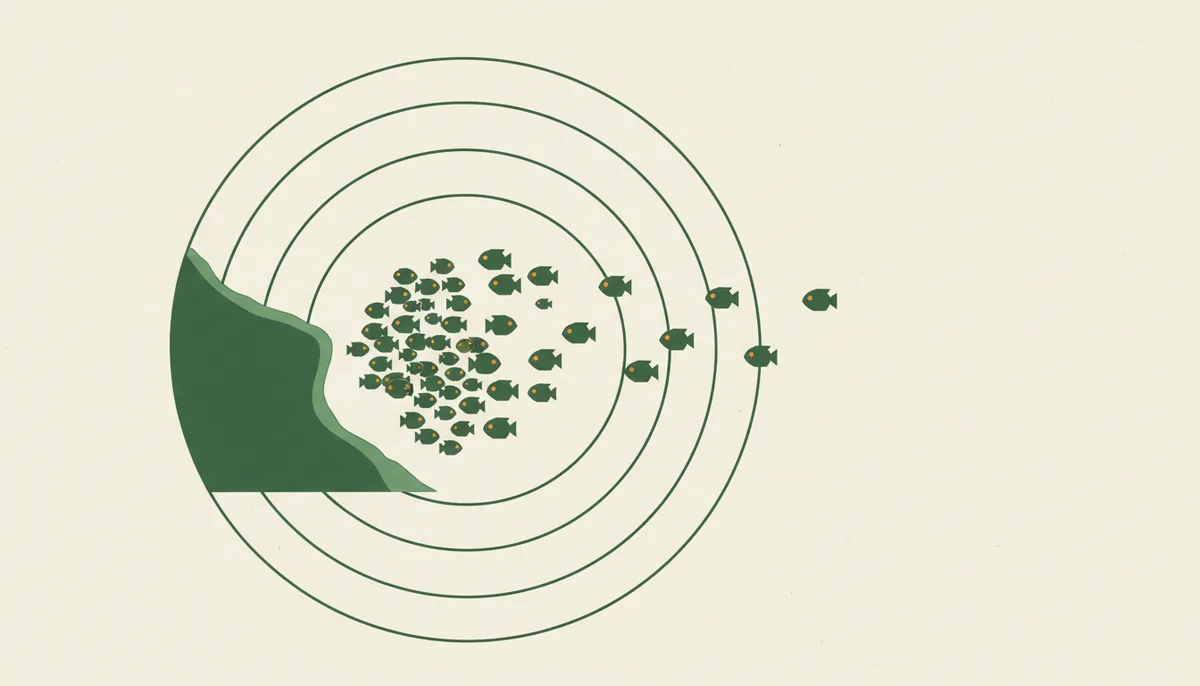
The first few days
Work the water near the release point, and work it close. Hatchery trout go in from a truck at one access point, and for the first days they are still concentrated around it, high in the water column. Cast short before you cast long, and keep your presentation in the top few feet rather than letting bait sink past the fish. This window is real and it is brief.
The following week or two
Once stocked trout spread out, they start relating to structure, temperature and forage the way resident fish do, and “where the truck parked” stops being useful. By then, normal trout-fishing fundamentals matter more: depth, water temperature and time of day. A rainbow trout plant at a lake like American Lake in Pierce County follows the same arc; its twelve plants on record run 9.8 to 12.8 inches, which is catchable size on arrival. Check the species page for seasonal depth and lure notes once you are past the first few days.
Finding fresh stockings
The stocked this week feed lists every plant from the most recent Washington report. That is the tool for finding what just happened; this guide is for what to do once you are standing there. Pair the two: the feed for timing, the lake’s own page for species, average size, and how often that specific water gets restocked, since a lake stocked once a year fishes very differently from one restocked every couple of weeks.
What this guide will not tell you
Season dates, bag limits and gear rules vary by water and change year to year. They are on WDFW’s fishing regulations pages, and nothing here substitutes for reading them before you go.