The species index
Sorted by how often it turns up in the stocking record, not alphabetically. If the truck brings it, it's at the top. Most recent plant on record: October 8, 2026.
- Species records
- 53
- Plants logged
- 156,782
- As of October 8, 2026
- Stocked species
- 47
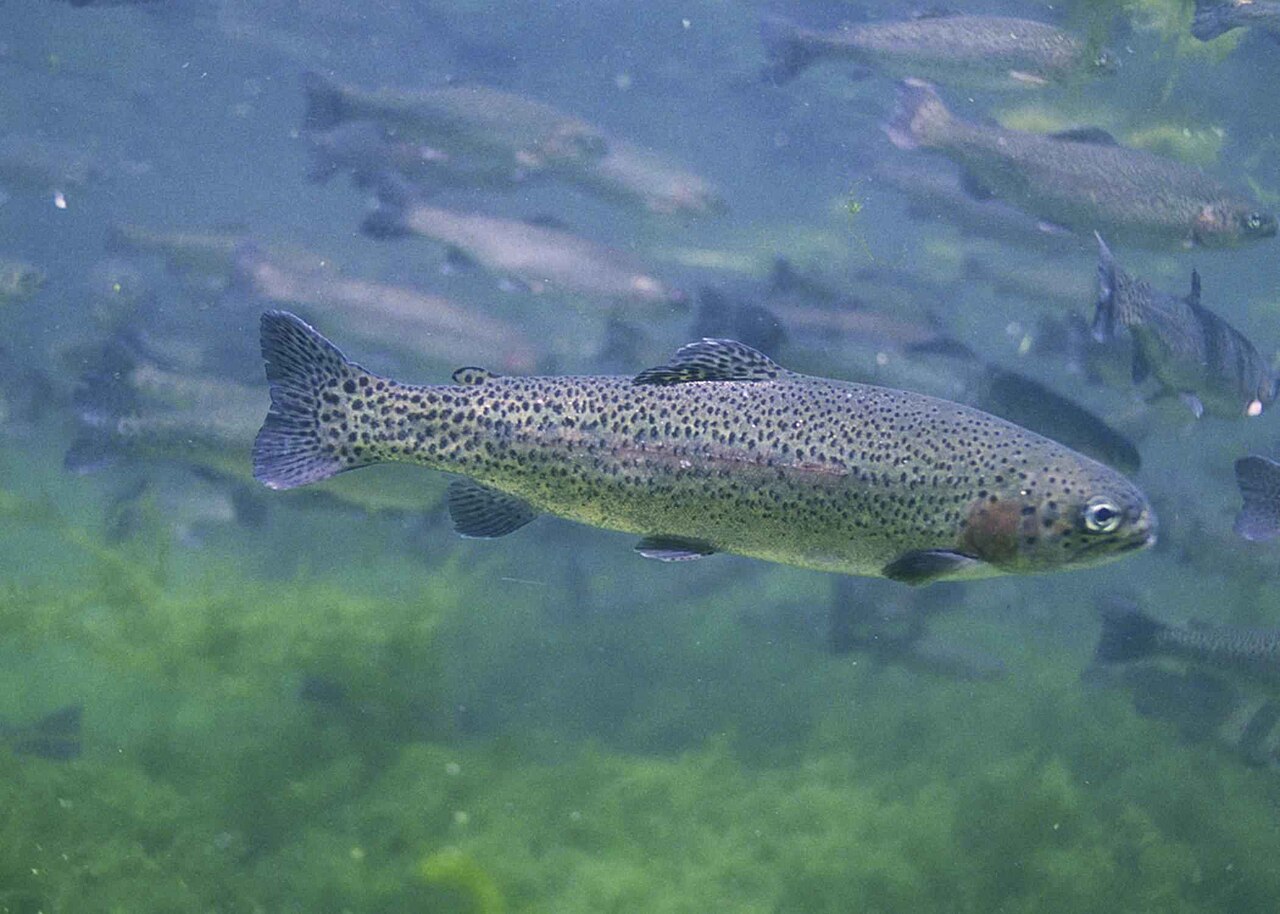
Blue-green to olive back, silver sides and belly, with black spots on the body and on the dorsal, adipose, and caudal fins.
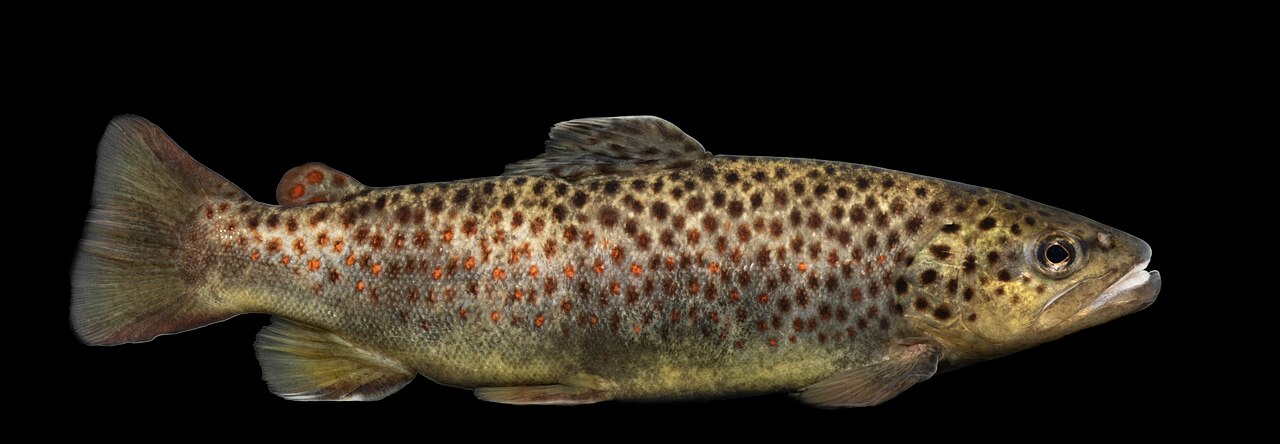
Golden-brown to olive body with dark spots ringed by pale halos, the key trait separating them from other stocked trout.
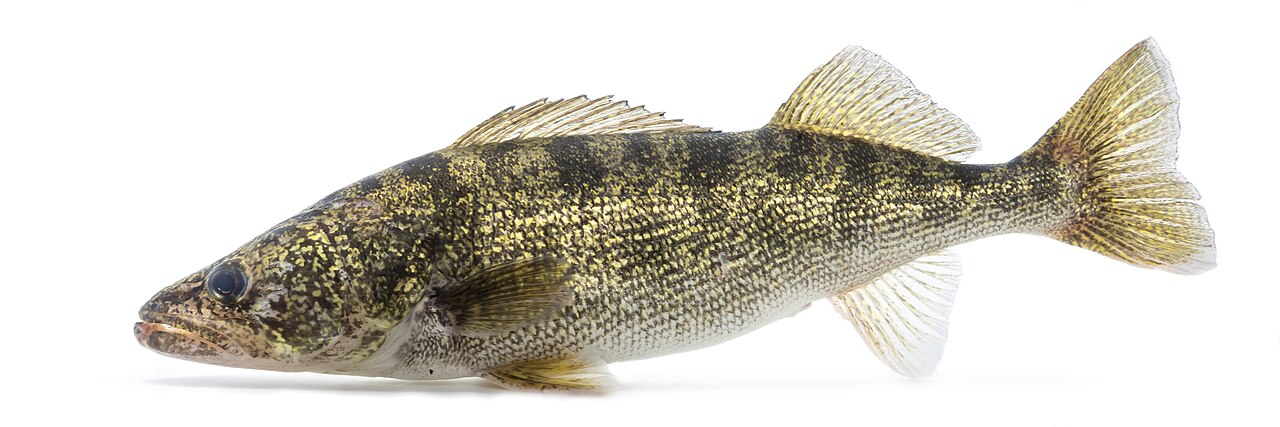
Two separate dorsal fins, with a dark spot at the base of the spiny first dorsal fin.
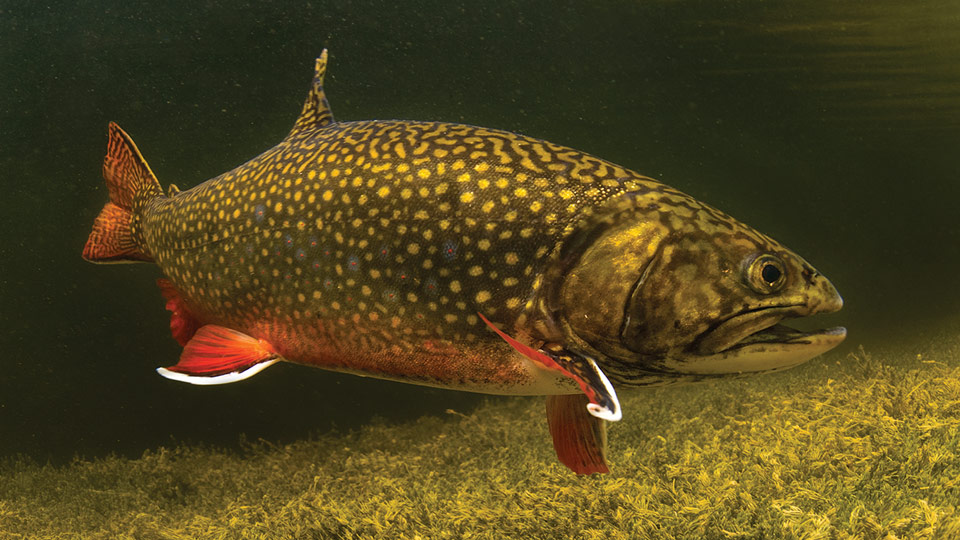
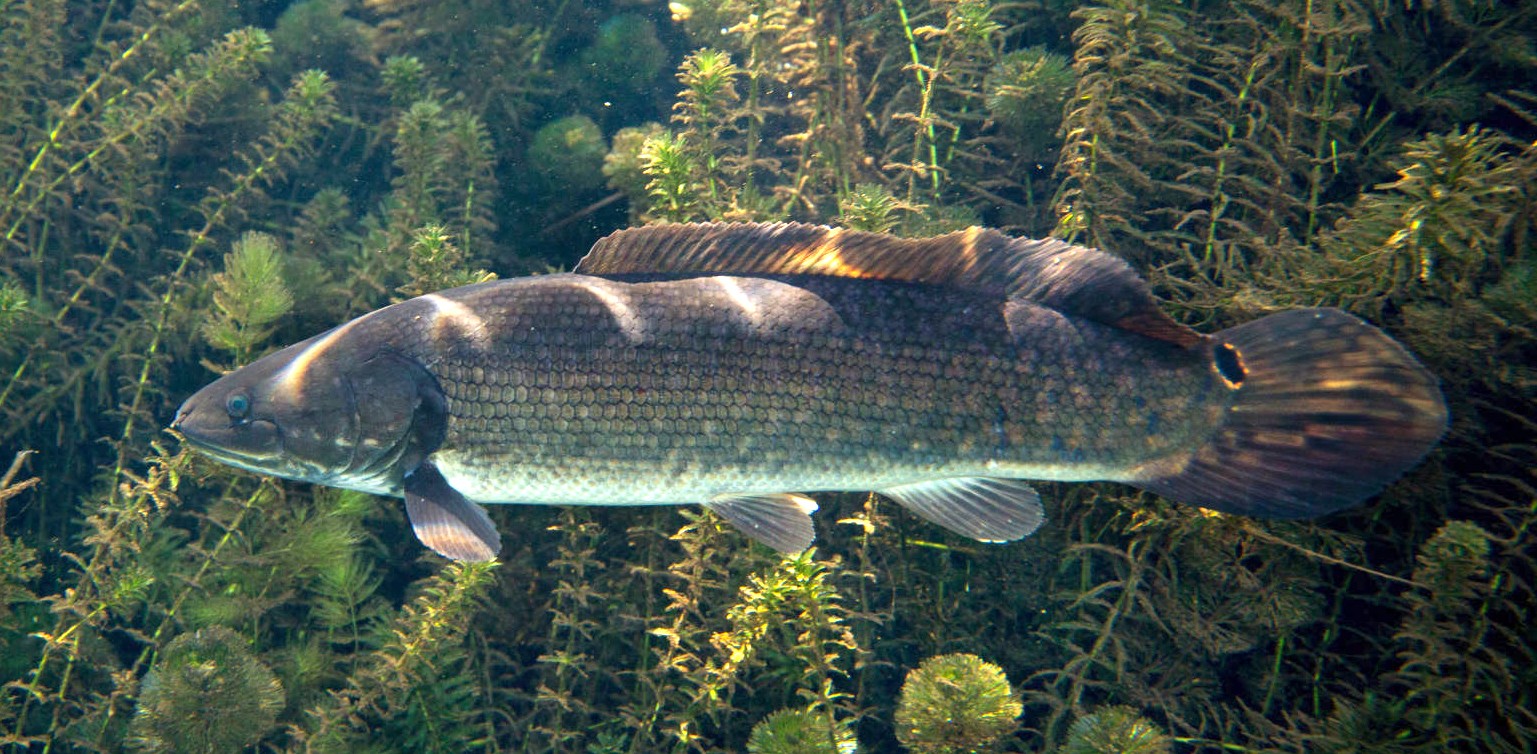
Dark olive-green back with pale, worm-like markings (vermiculations), unlike the spotted pattern of rainbow or brown trout.
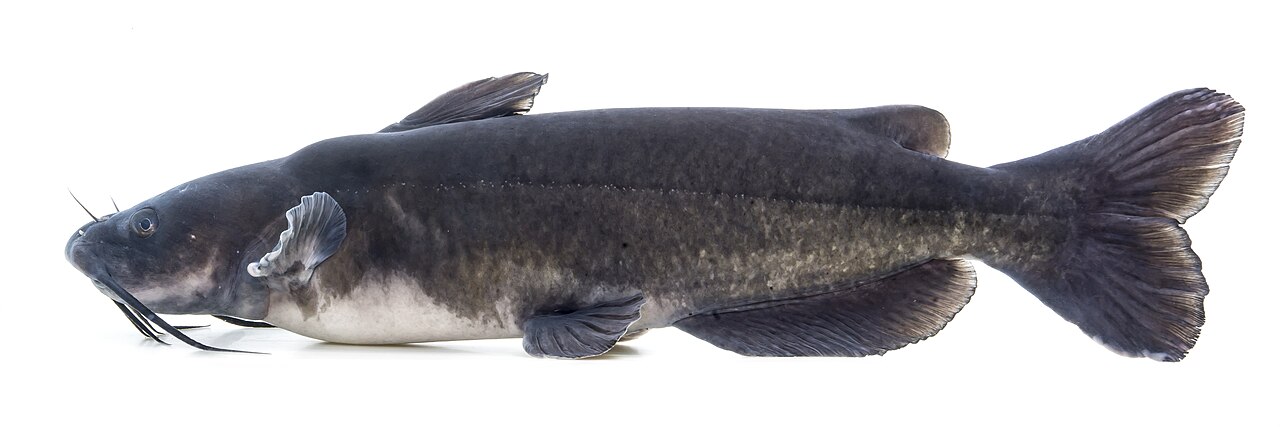
Deeply forked tail, unlike the rounded or square tails of bullhead catfish.
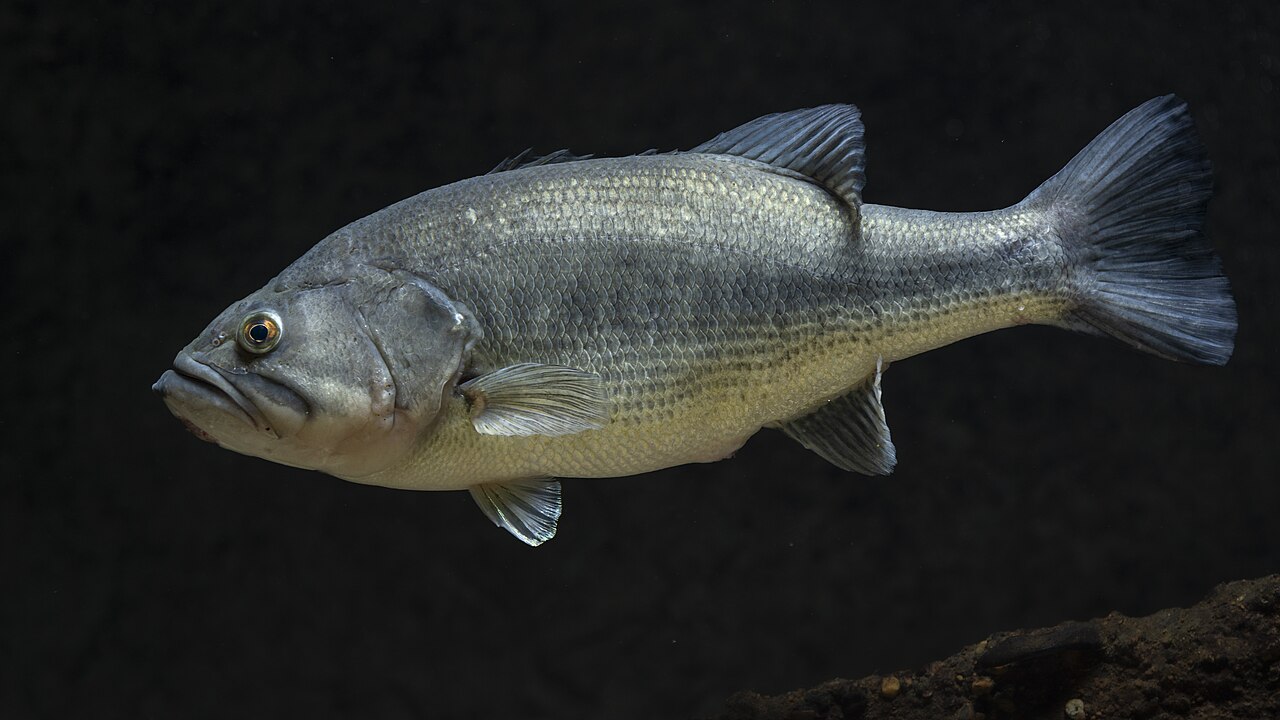
Greenish-black body with a bold dark horizontal band along the midline, fading toward a lighter belly.
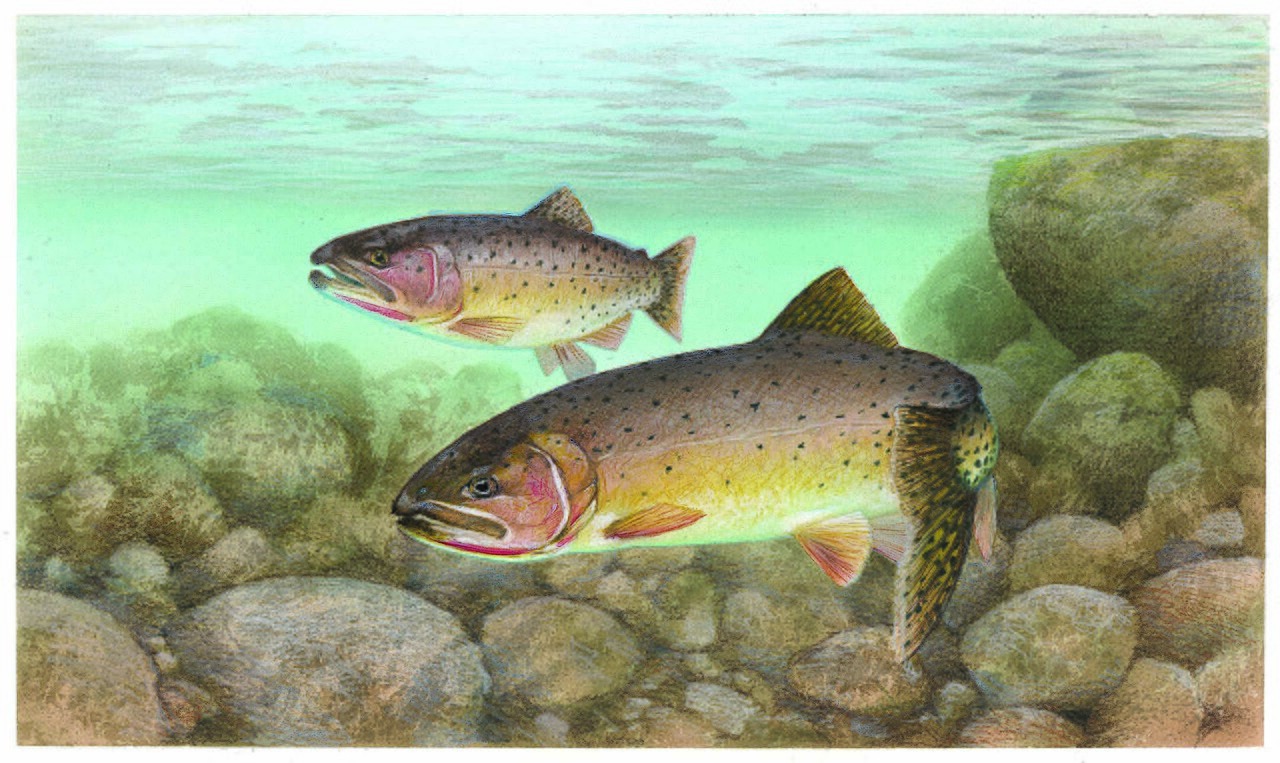
Dark green to olive back with silvery sides and irregular dark spots covering the entire body.
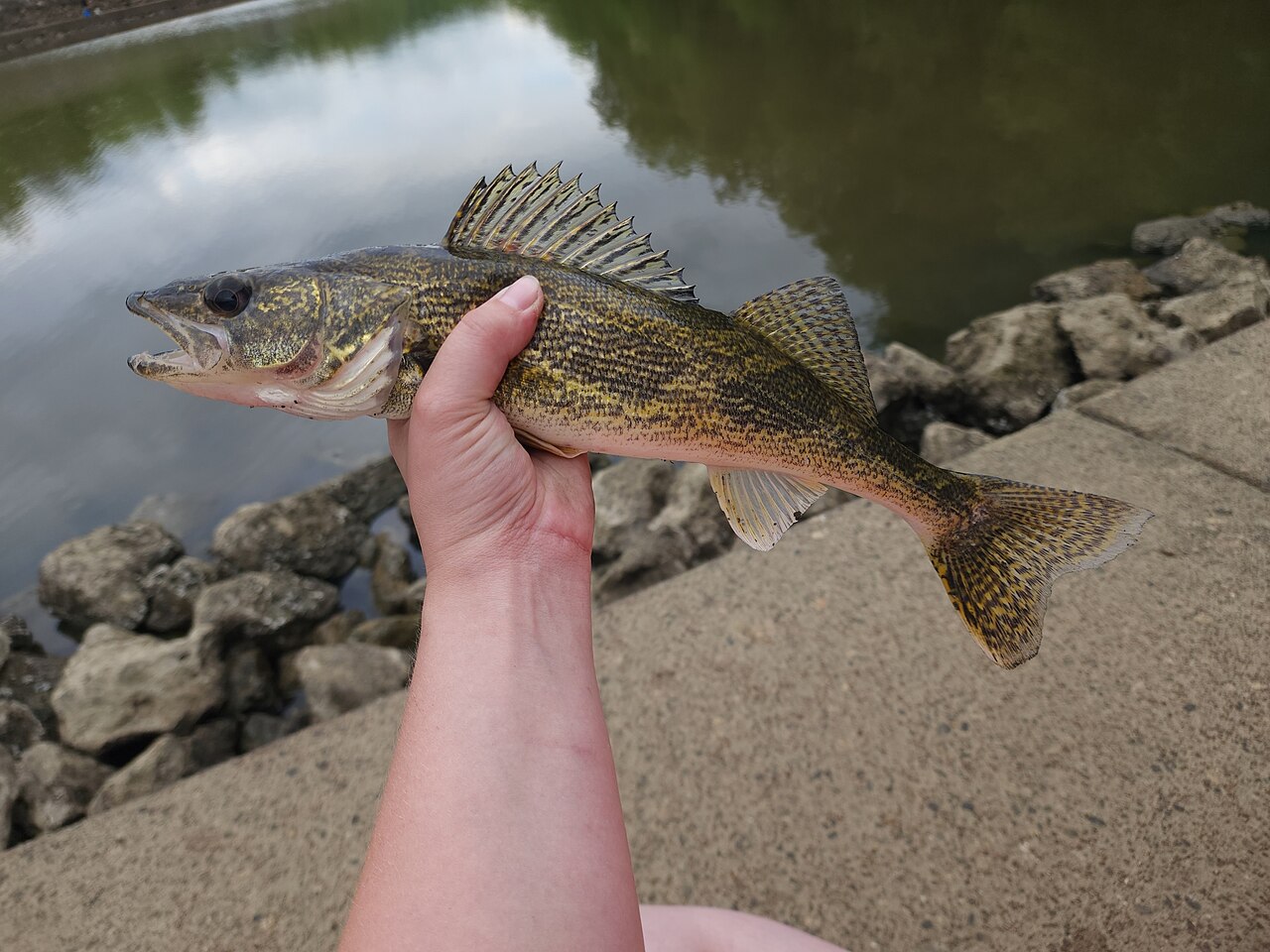
Hybrid cross between a female walleye and a male sauger, combining traits of both parents.
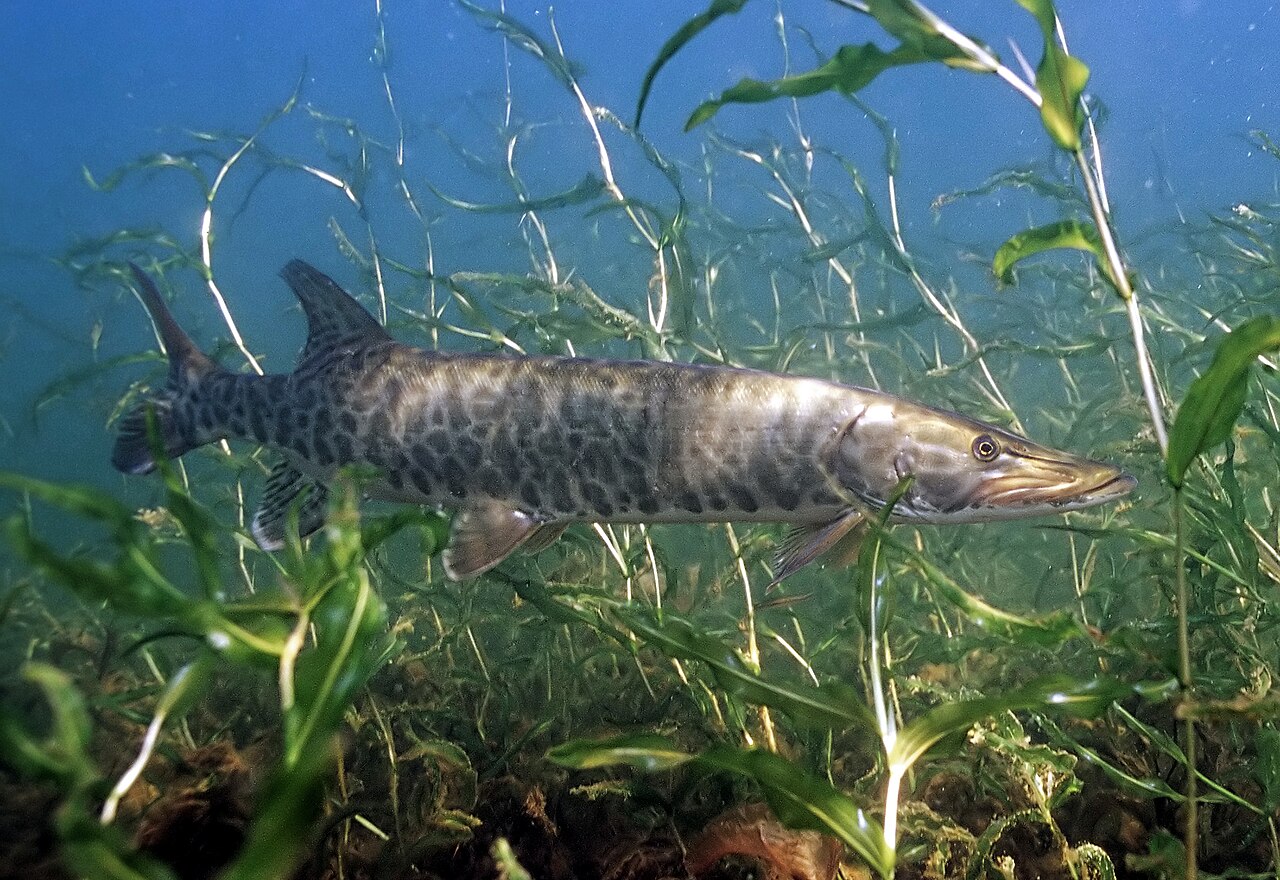
Dark spots or bars on a light silver, light green, or light brown background, the opposite pattern of northern pike.
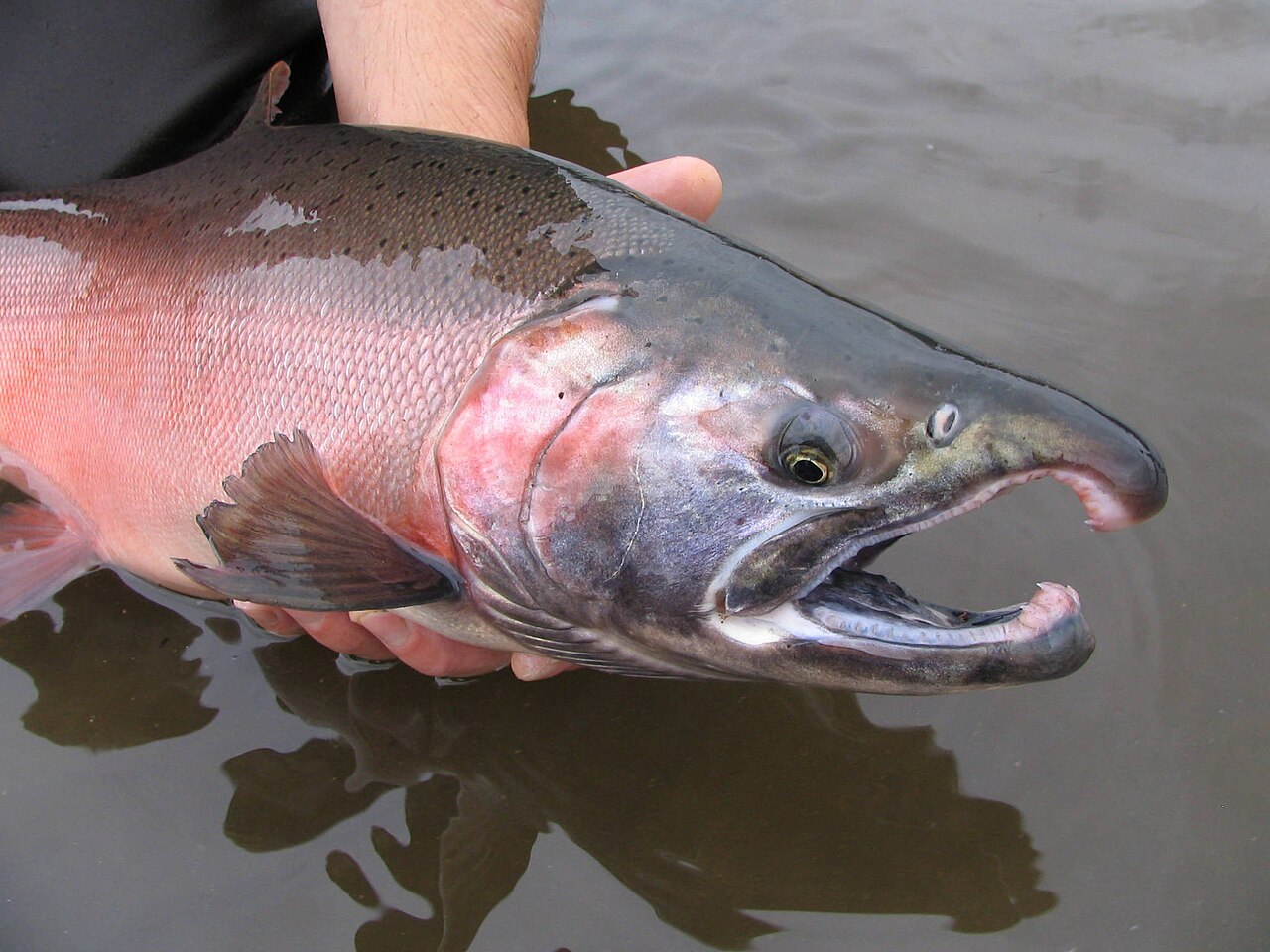
Dark metallic blue to green back with silvery sides and small black spots on the back and upper tail lobe only.
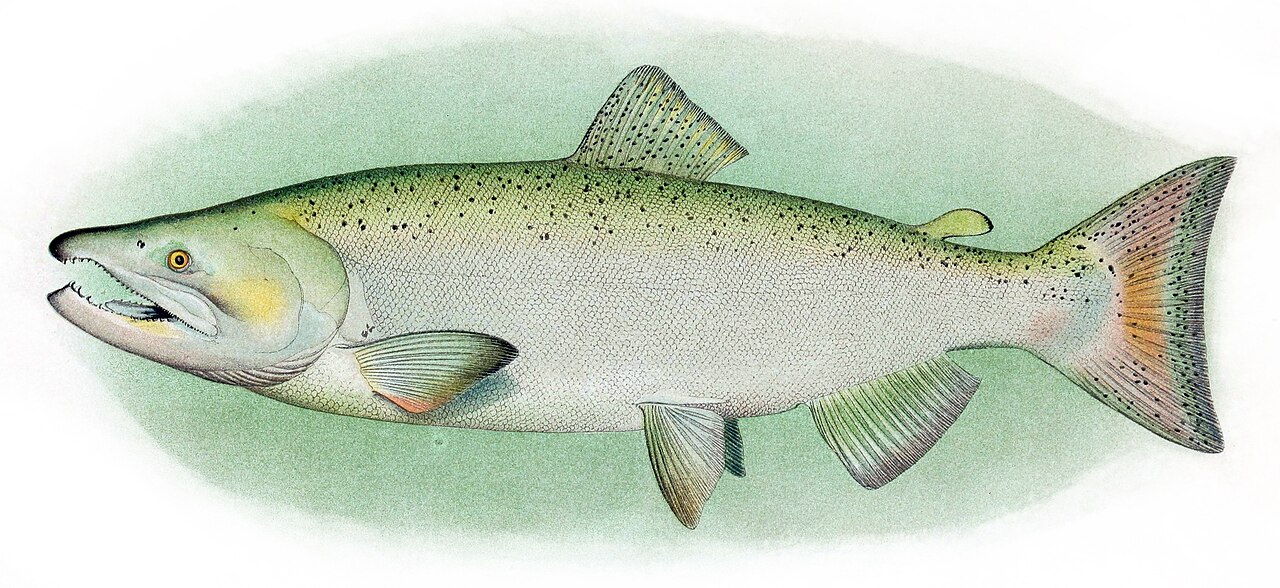
Largest Pacific salmon; blue-green back, silvery sides, white belly, and black spots on the back and both tail lobes.
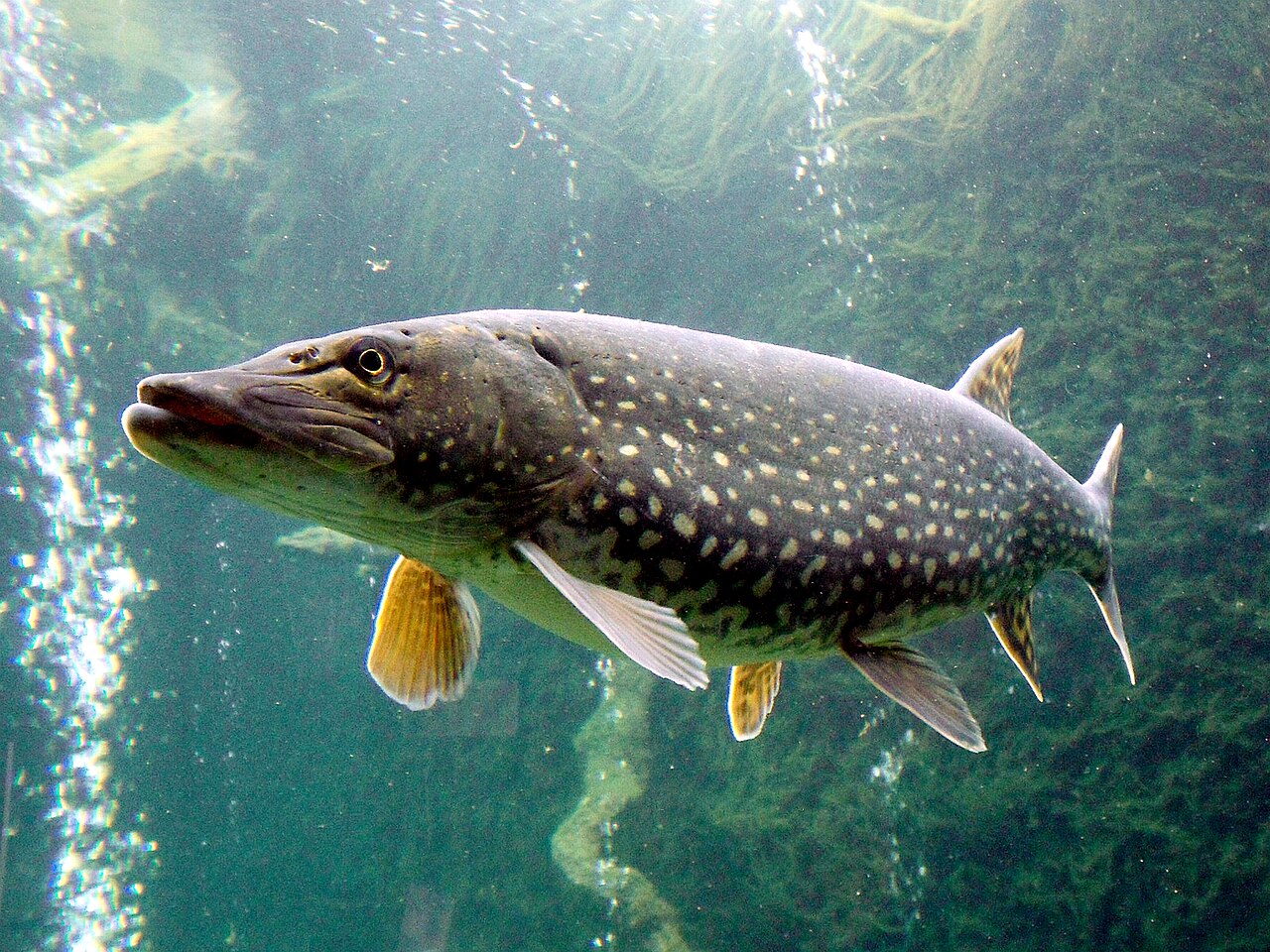
Long, slender, torpedo-shaped body with a large duck-bill mouth full of big teeth.
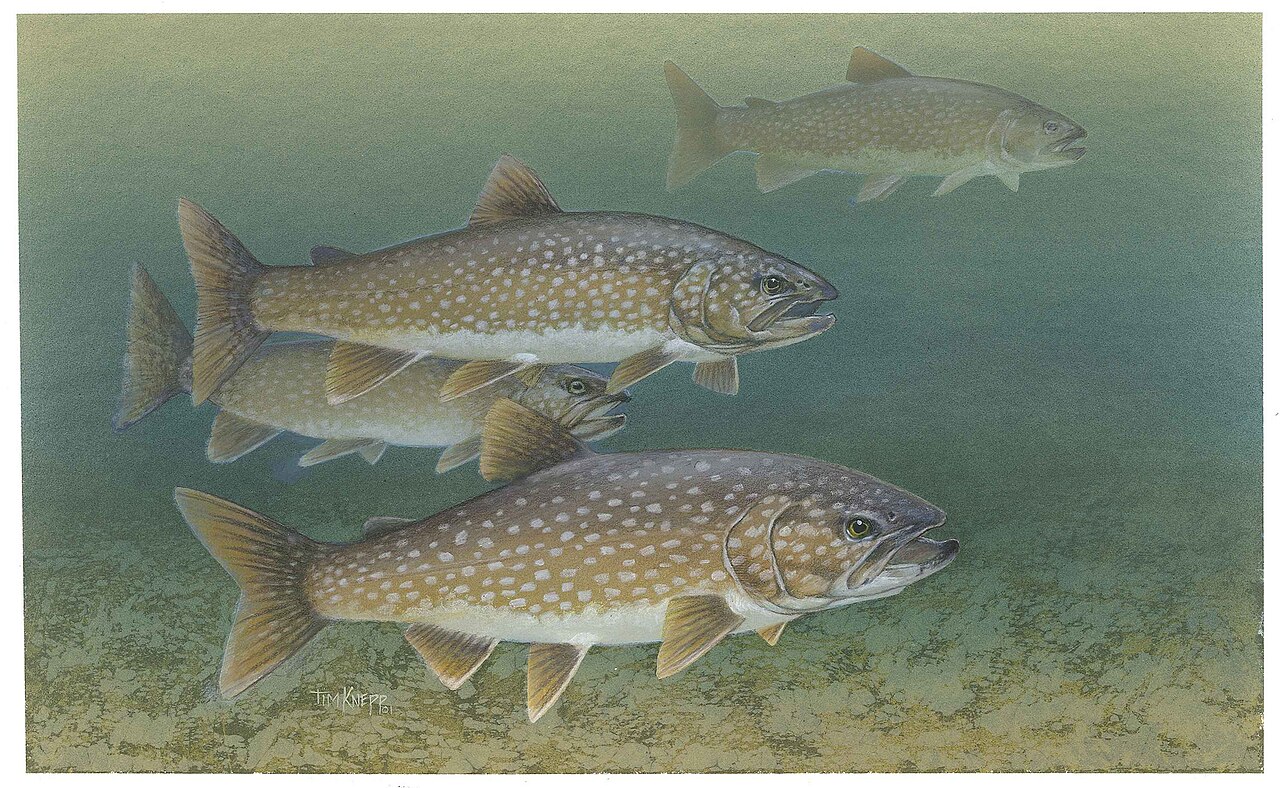
Char with a gray-brown background overlaid by light spots that vary in intensity with age and habitat.
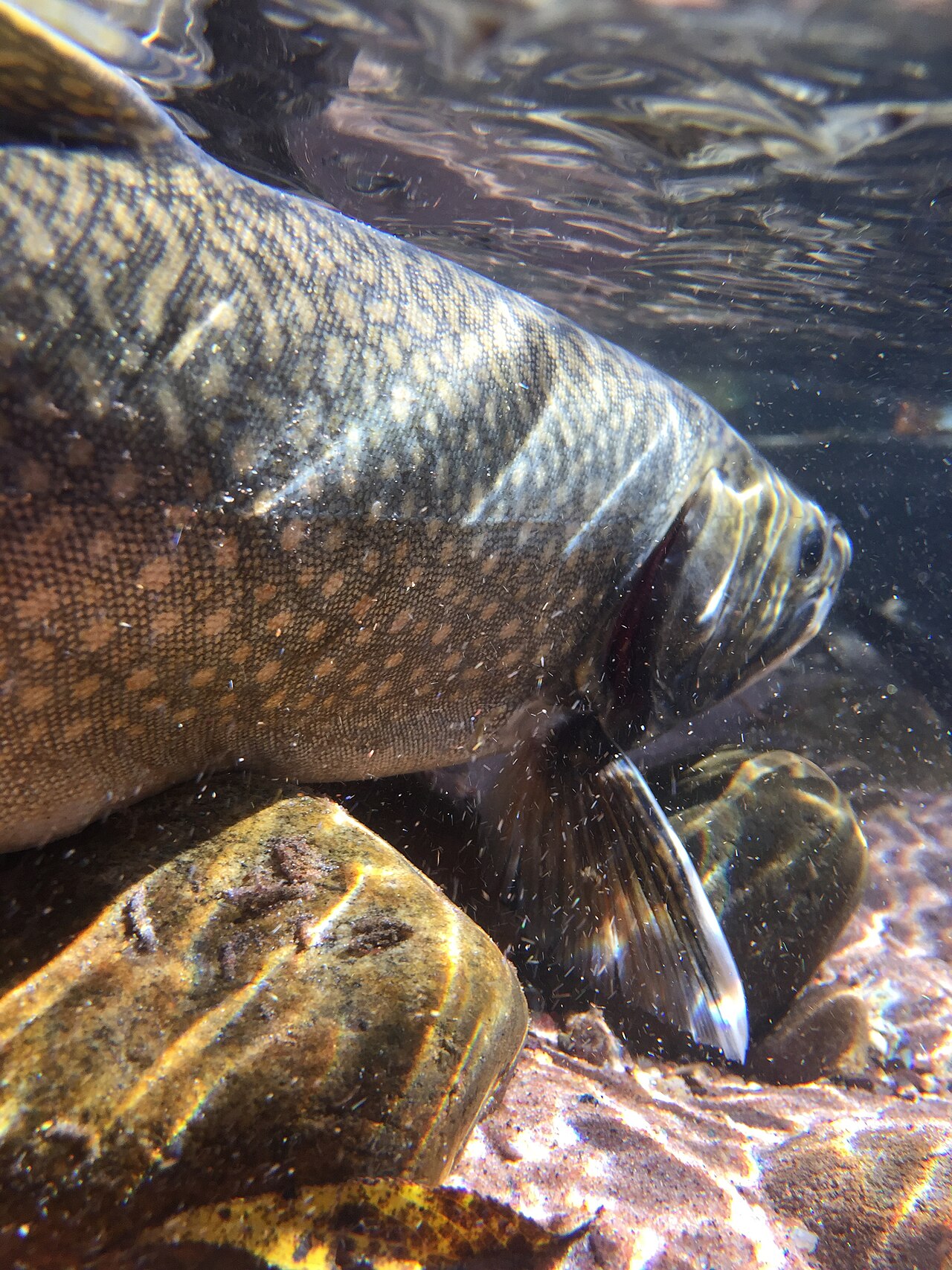
Hybrid cross between lake trout and brook trout; unlike most hatchery hybrids, splake are fertile and can reproduce.
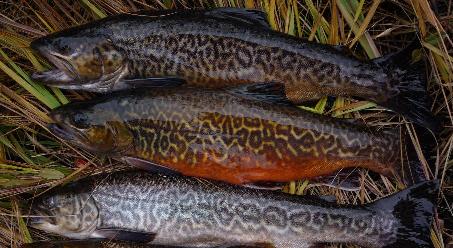
Bold, dark vermiculations (tiger-stripe markings) covering a brownish-gray body, more pronounced than on either parent species.
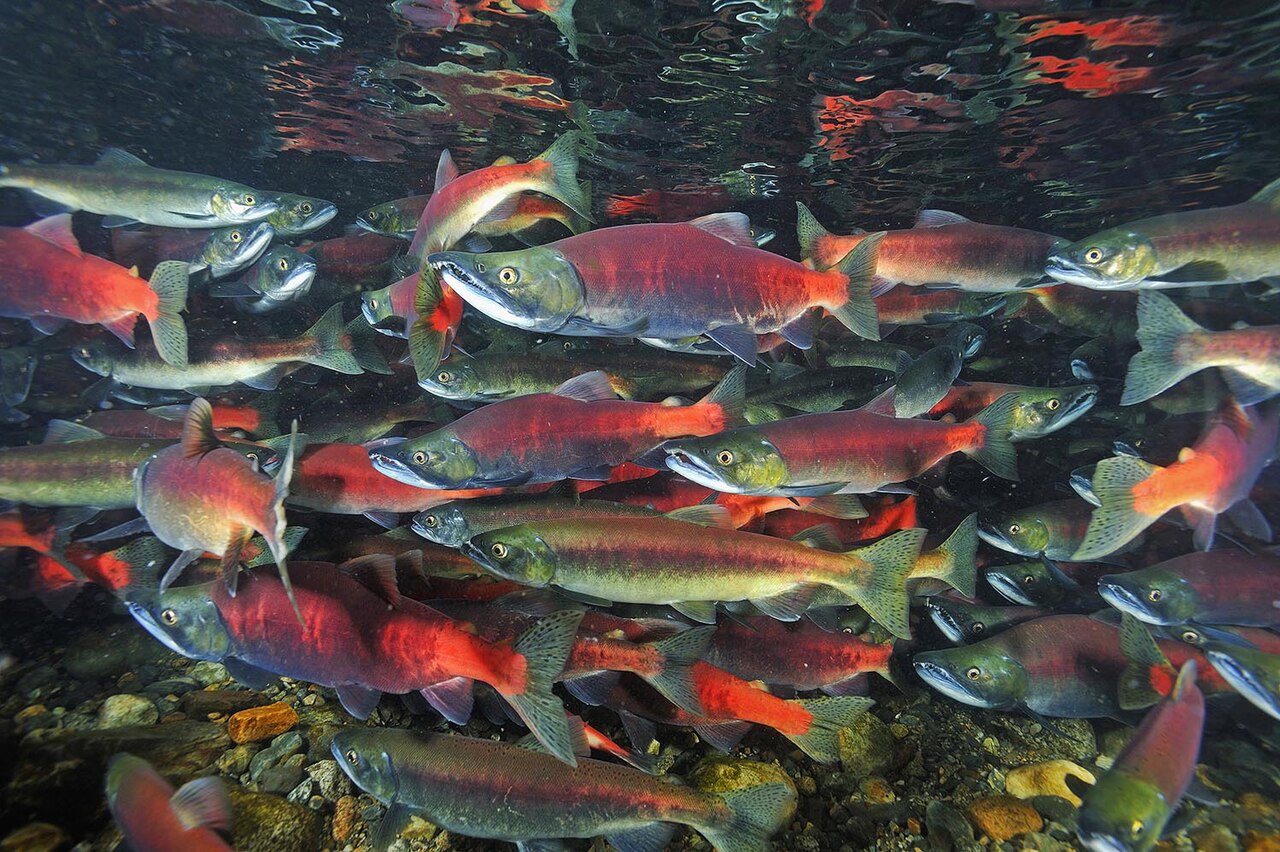
Bright silvery body with no definitive spotting pattern, unlike rainbow, cutthroat, or brown trout.
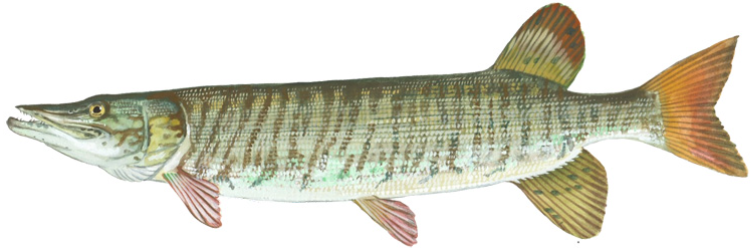
Sterile hybrid between northern pike and muskellunge, with dark spots (as a juvenile) or vertical stripes and bars over a light background.
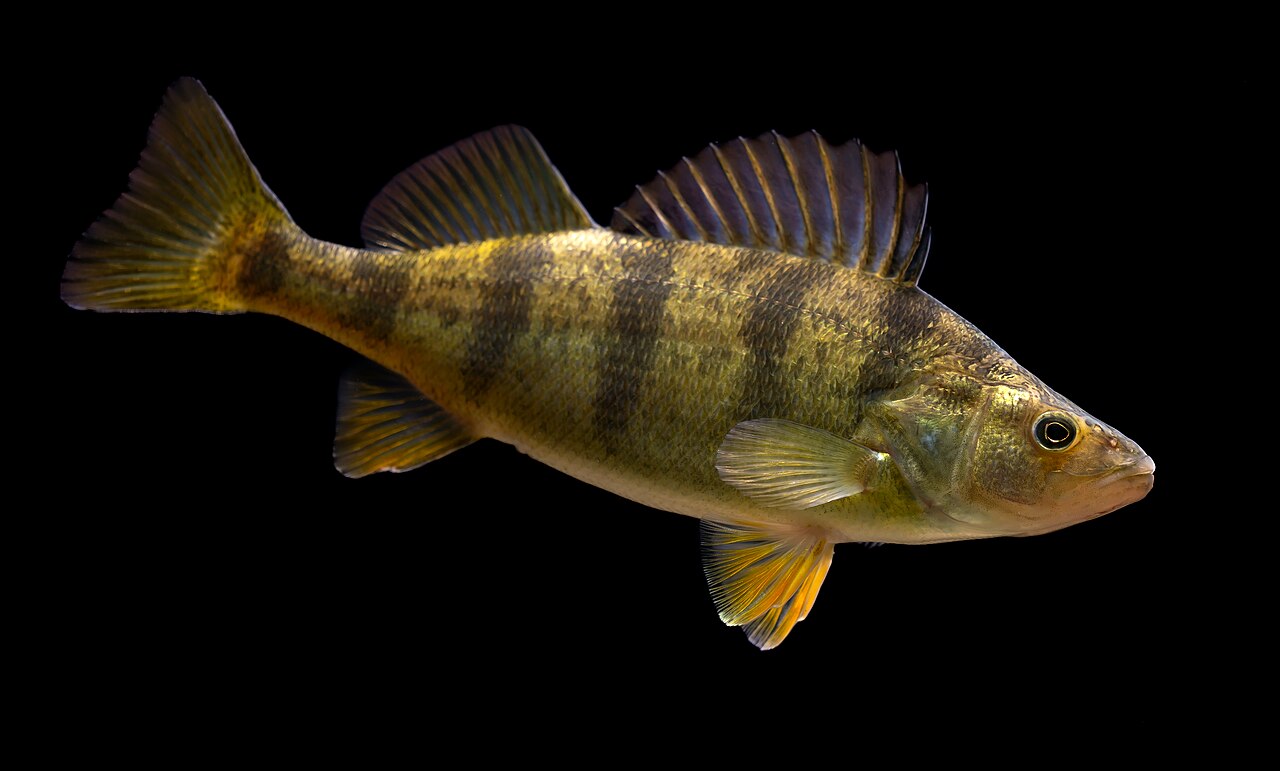
Golden-yellow body with 6 to 8 broad, dark vertical bands running from back to belly.
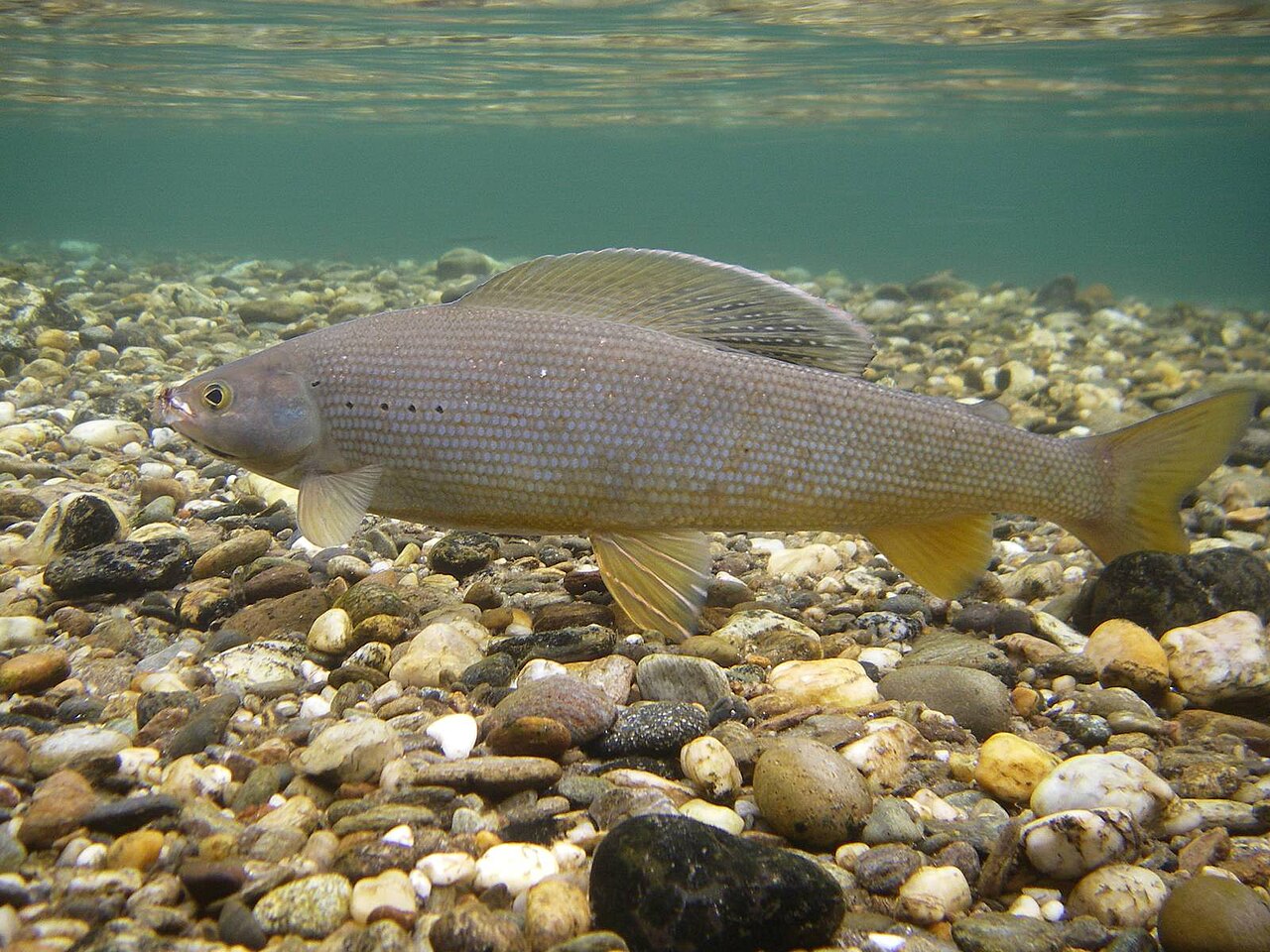
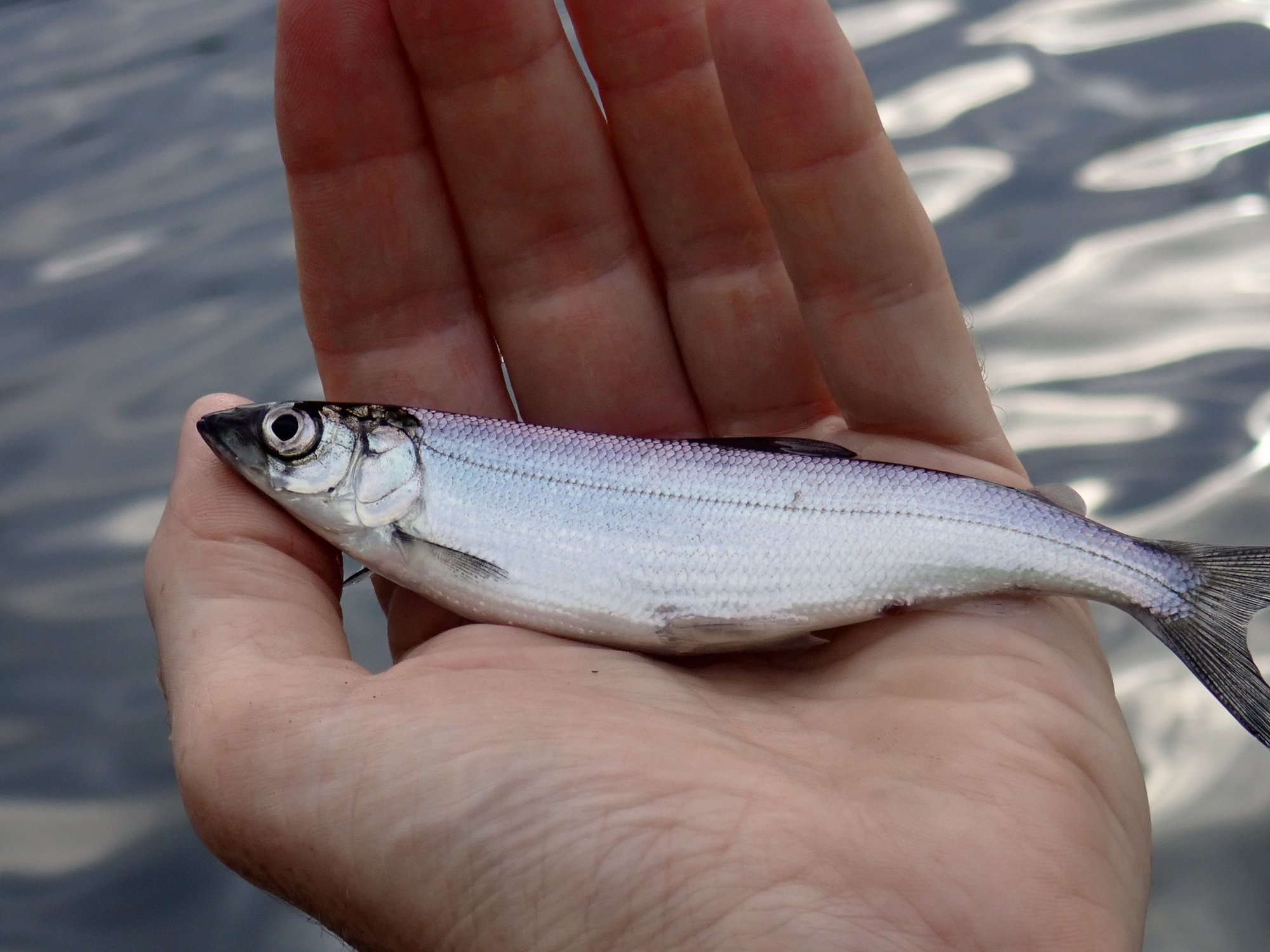
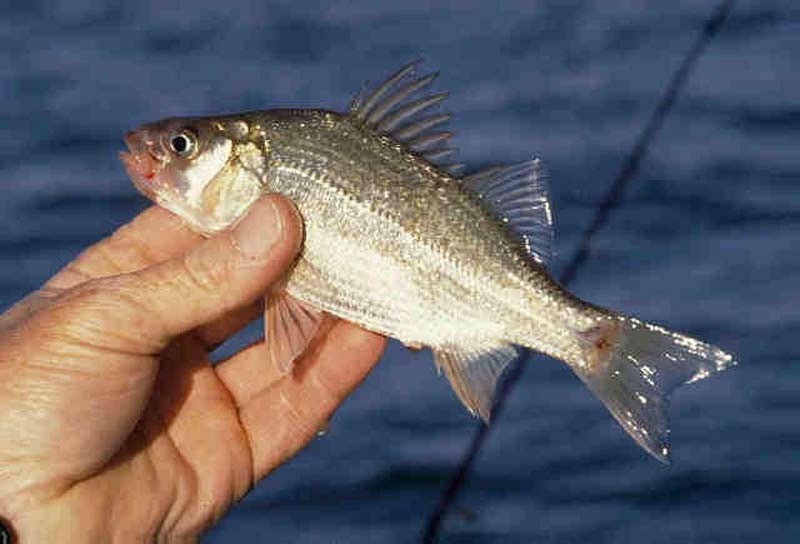
Silvery to light purple sides with a bluish-white belly and a relatively slender body.
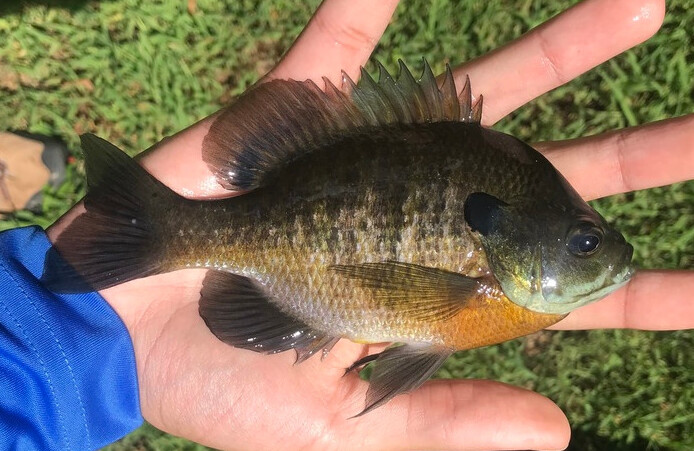
Dark blue-black spot on the back edge of the gill cover, the trait that gives the species its name.
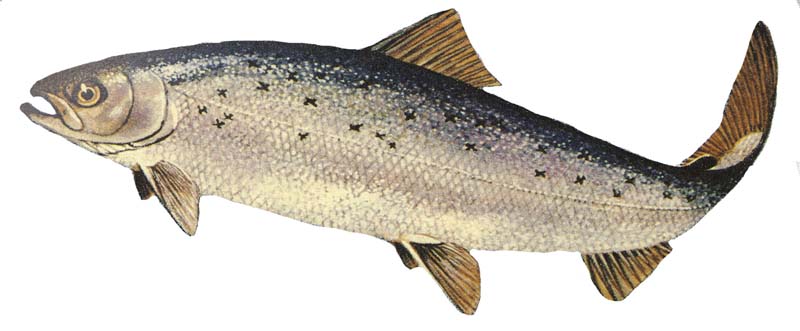
Silvery flanks with black spots on the upper body and a forked tail; unlike brown trout, no spots on the adipose or tail fin.
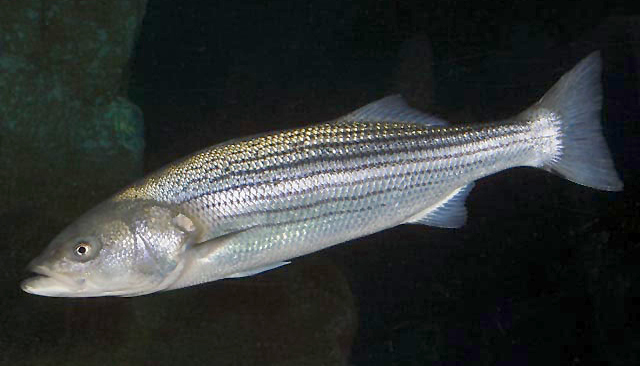
Bluish-black to dark gray or olive-green back with silvery sides and a white belly.
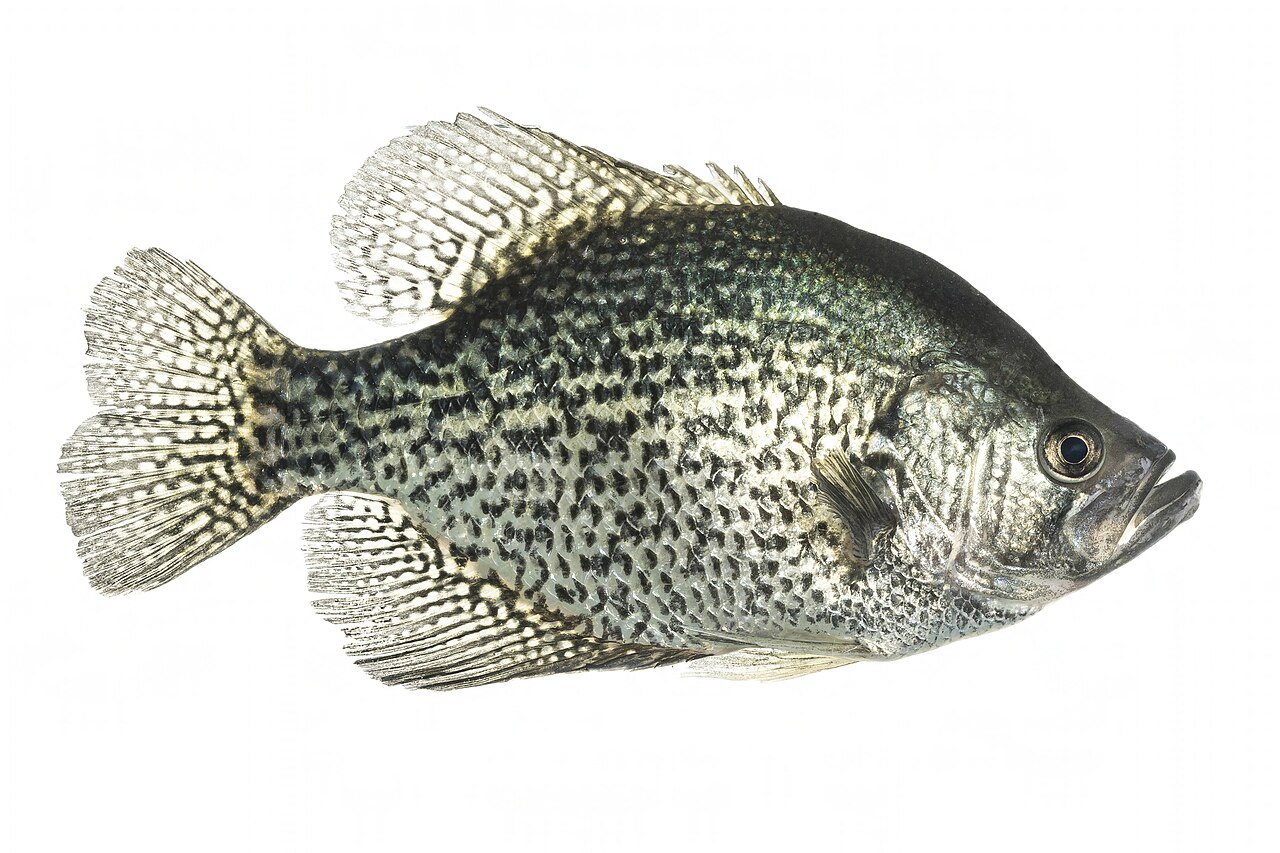
Deep, laterally compressed body with large, rounded dorsal and anal fins.
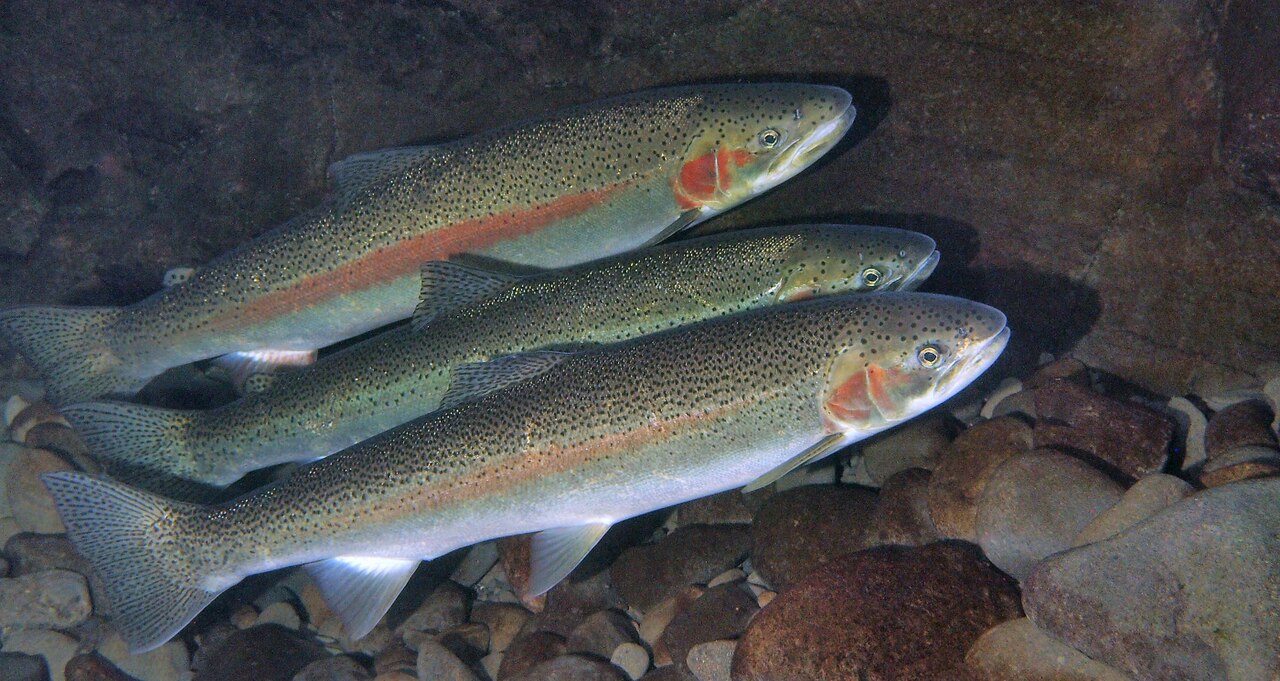
Same species as rainbow trout, but steelhead migrate to sea and return to spawn, while rainbow trout stay in fresh water for life.
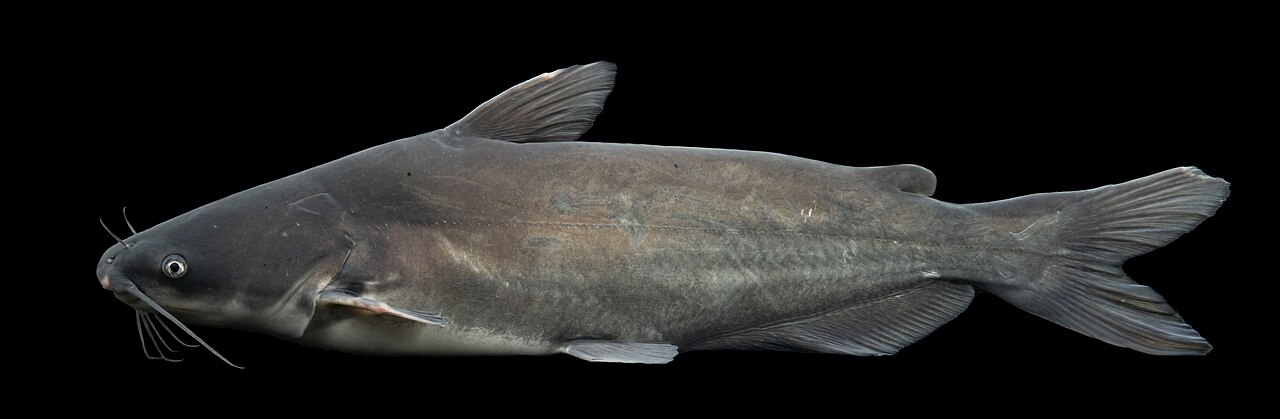
Never has the dark spots seen on channel catfish; body is pale slate-blue to silvery, fading to white on the belly.
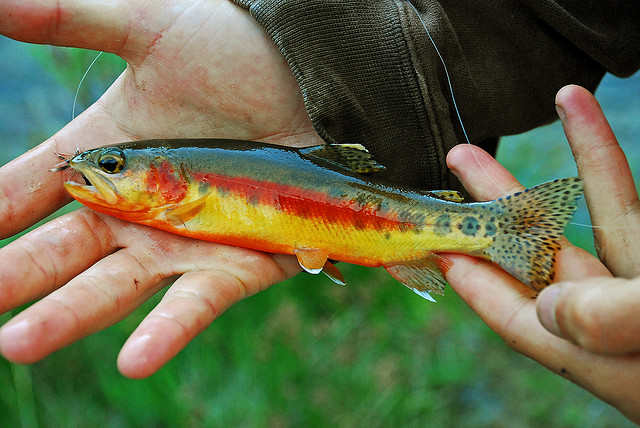
Olive back with distinctive golden sides and a red horizontal band along the lateral line.
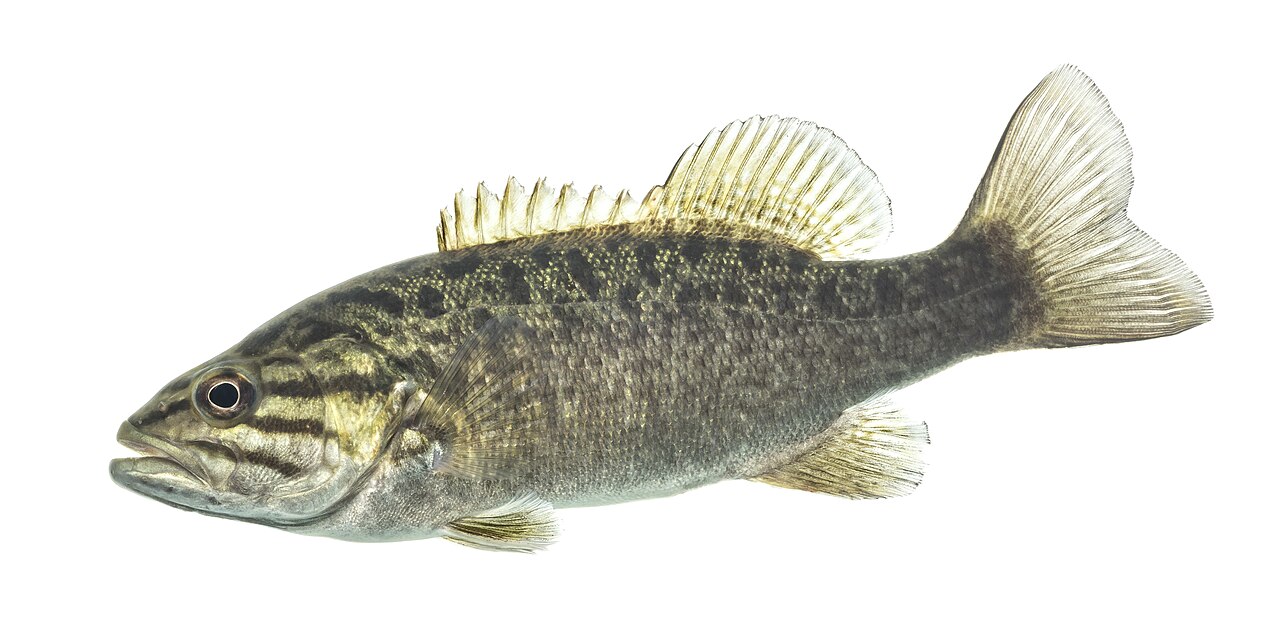
Jaw stops near the middle of the eye, unlike the past-the-eye jaw of largemouth bass.
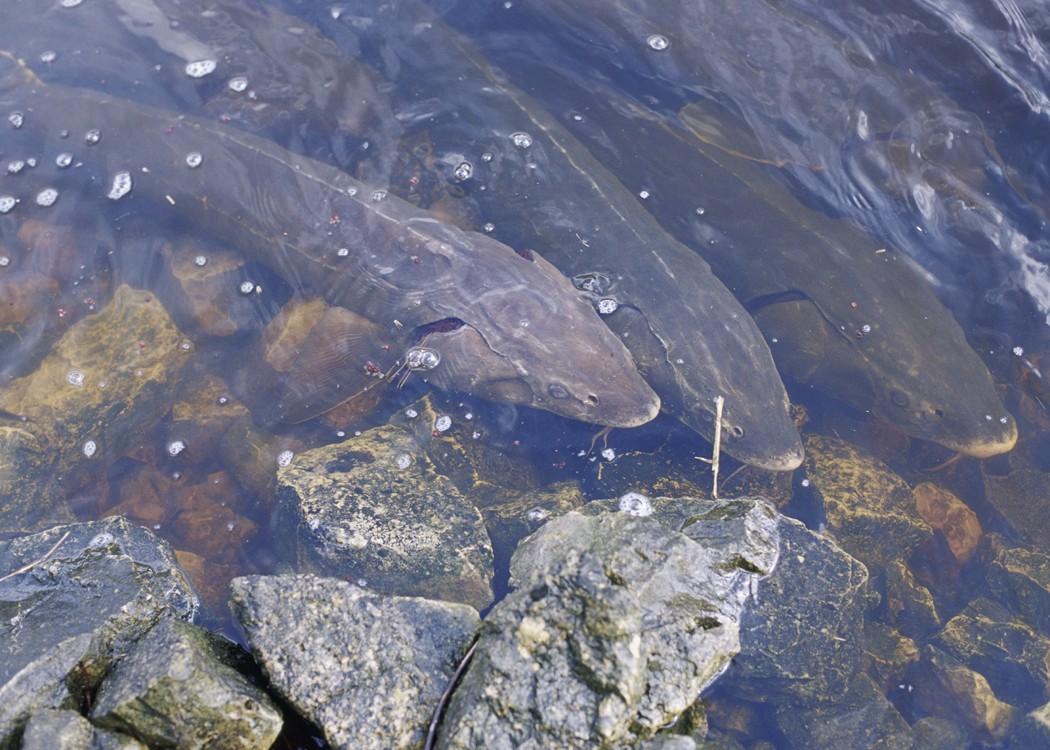
Heavy, torpedo-shaped body armored with five rows of sharp-edged bony plates (scutes), not scales.
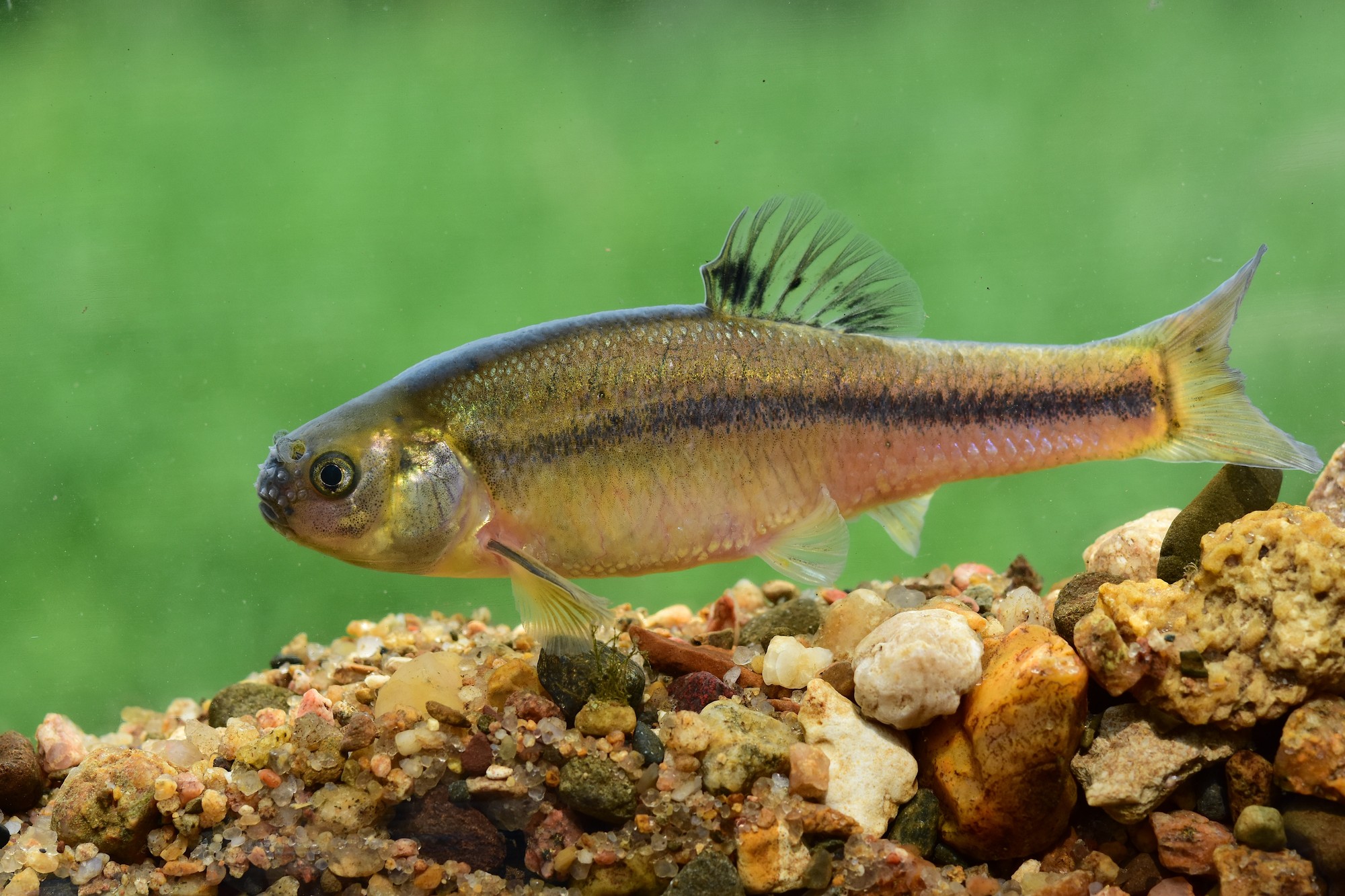
Blunt head with a small, upturned mouth and an ovoid, egg-shaped body in cross-section, thick through the back.
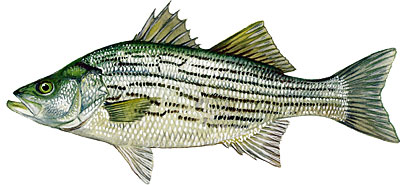
Hybrid cross between a female striped bass and a male white bass, blending traits of both parents.
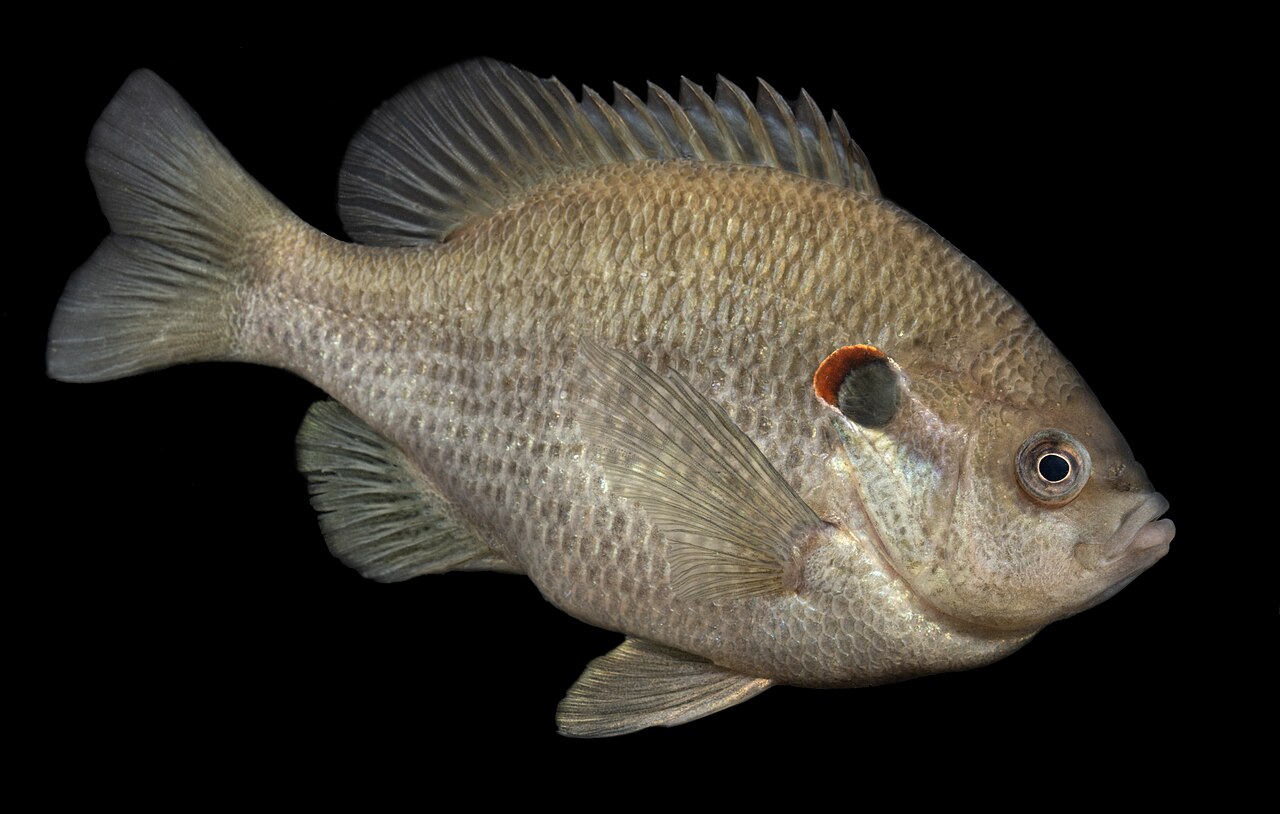
A bright red or orange mark on the back edge of the gill cover, the trait that gives the species its name.
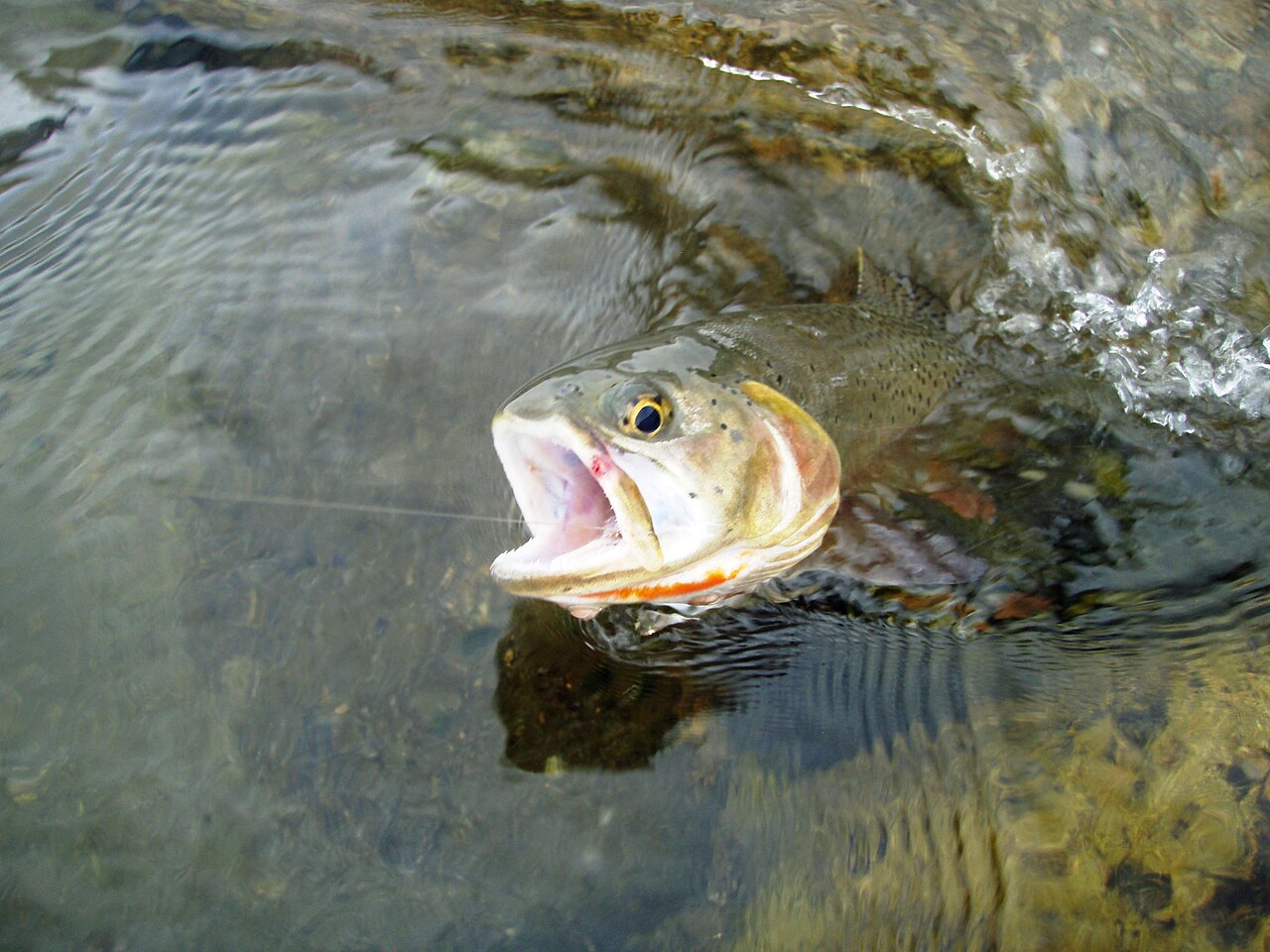
Fertile hybrid between rainbow trout and cutthroat trout, unlike the sterile tiger trout or splake.
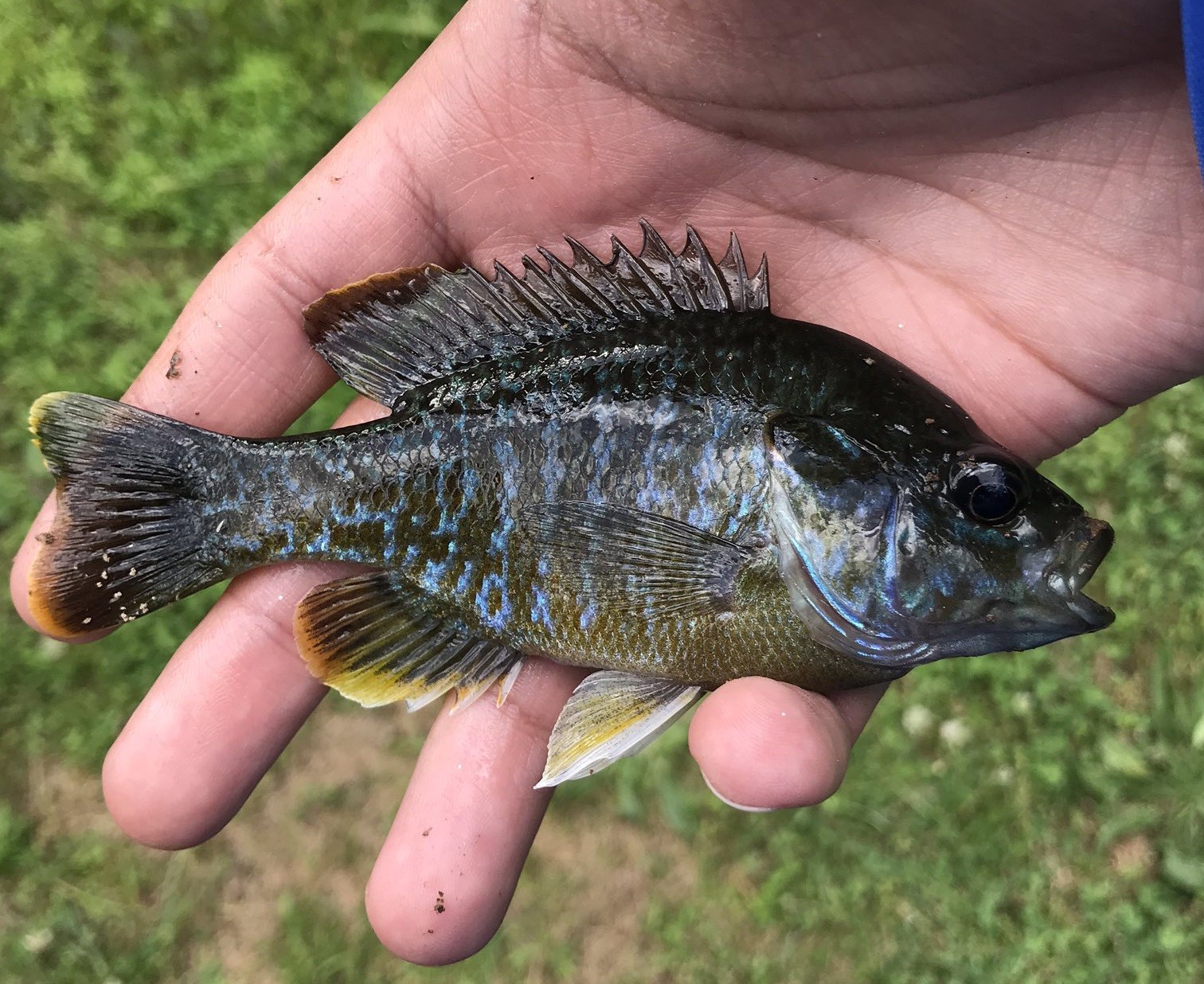
A hatchery cross, usually a male bluegill and a female green sunfish (Lepomis macrochirus x Lepomis cyanellus), so looks vary fish to fish.
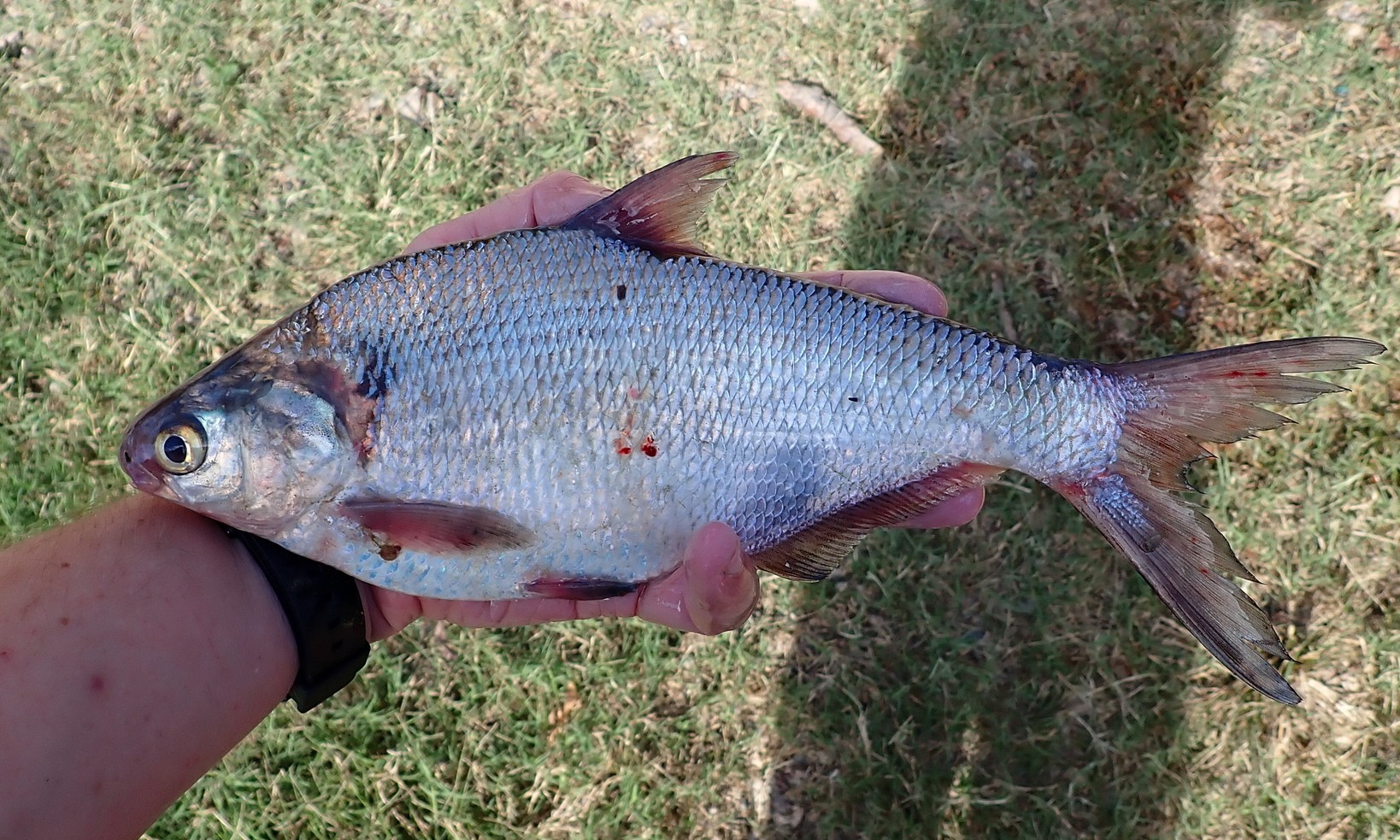
Deep, laterally compressed, silvery body with a large dark spot just behind the upper edge of the gill cover, most visible on young fish.
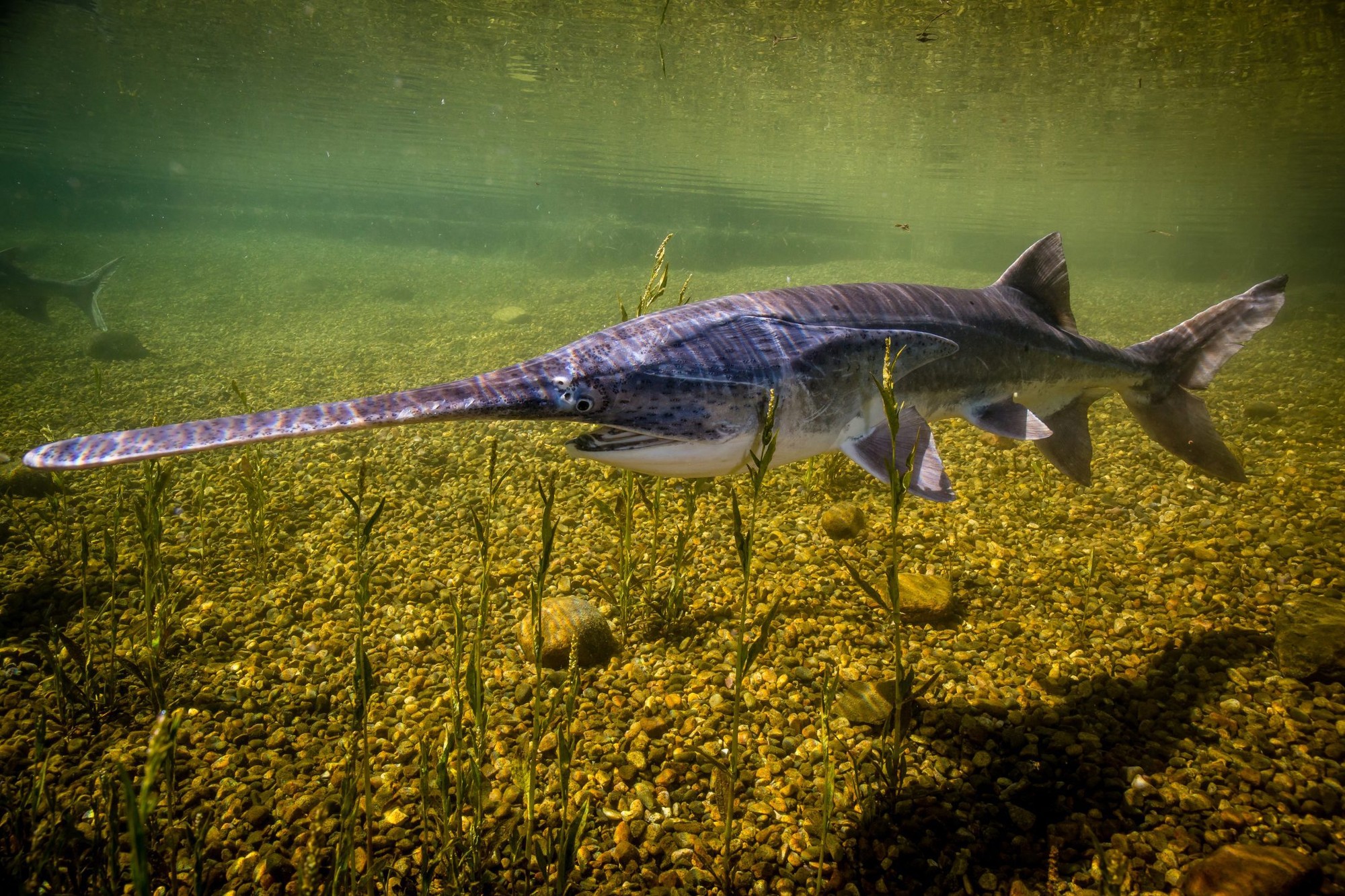
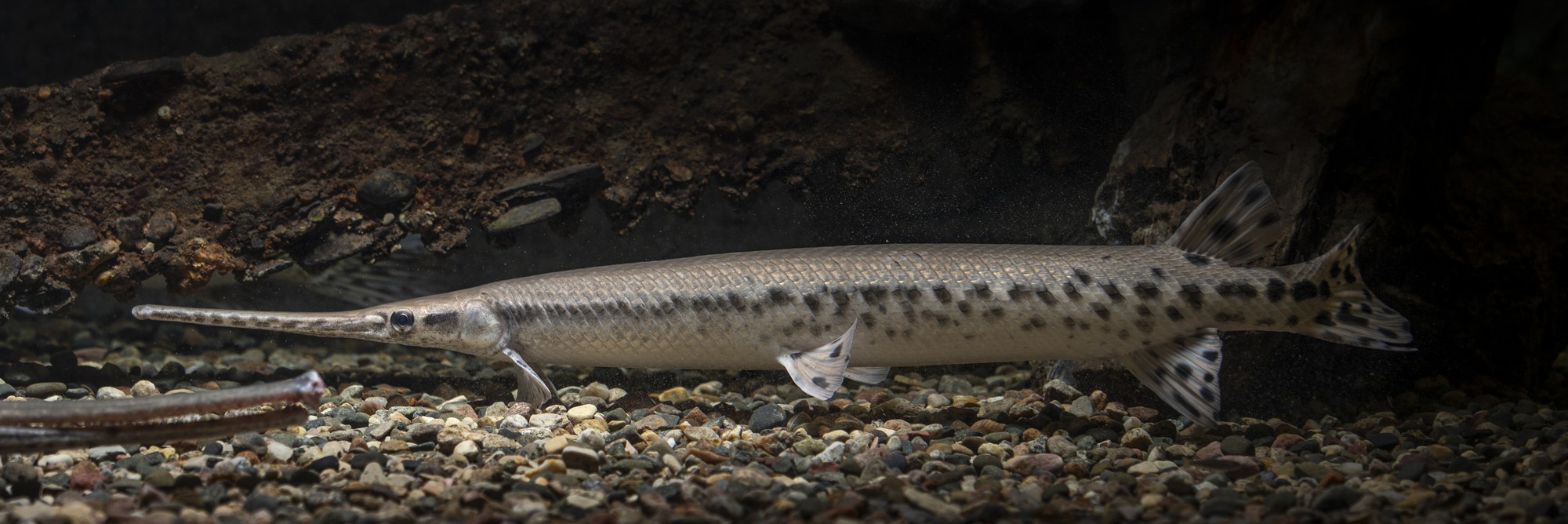
Long, paddle or spoon-shaped snout (rostrum) that can reach nearly a third of the fish's total body length.
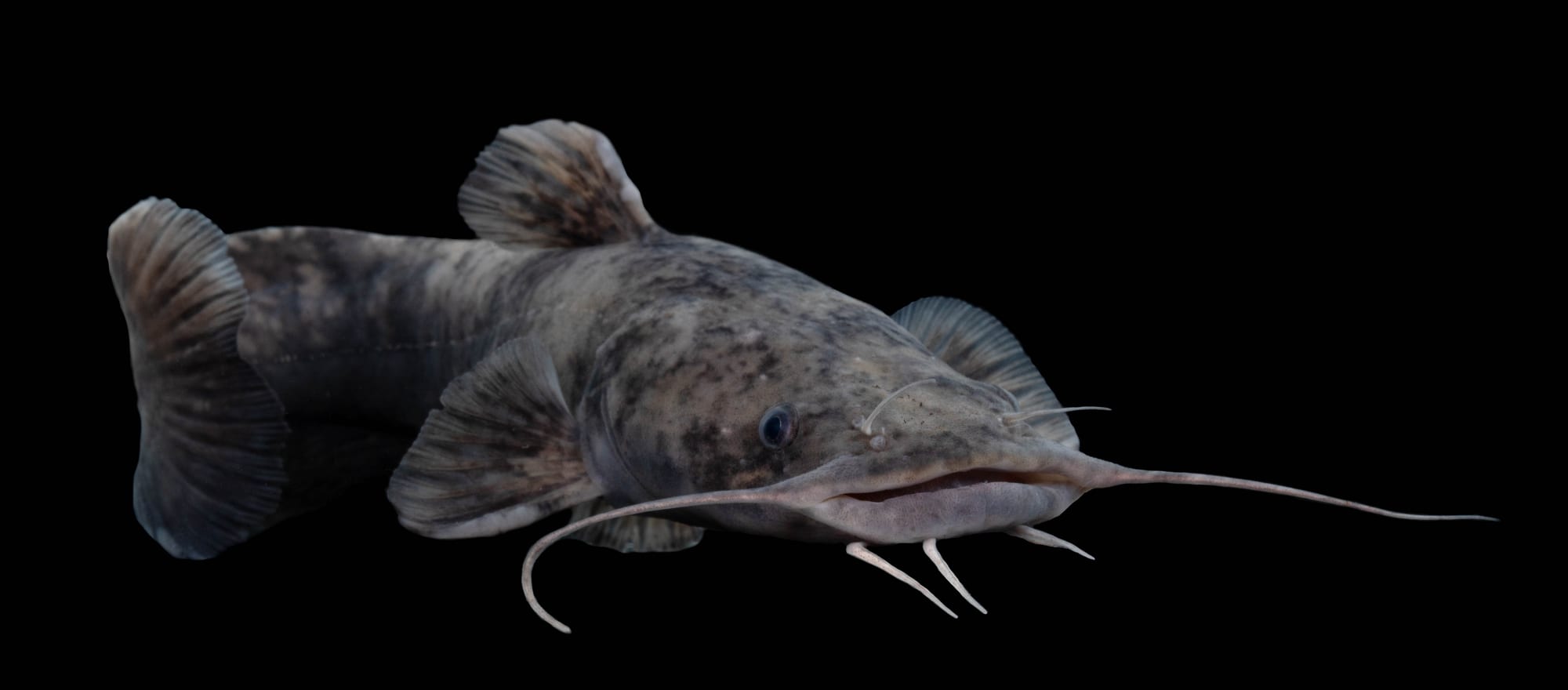
Broad, flattened head with small eyes set on top, and a lower jaw that projects noticeably beyond the upper jaw.
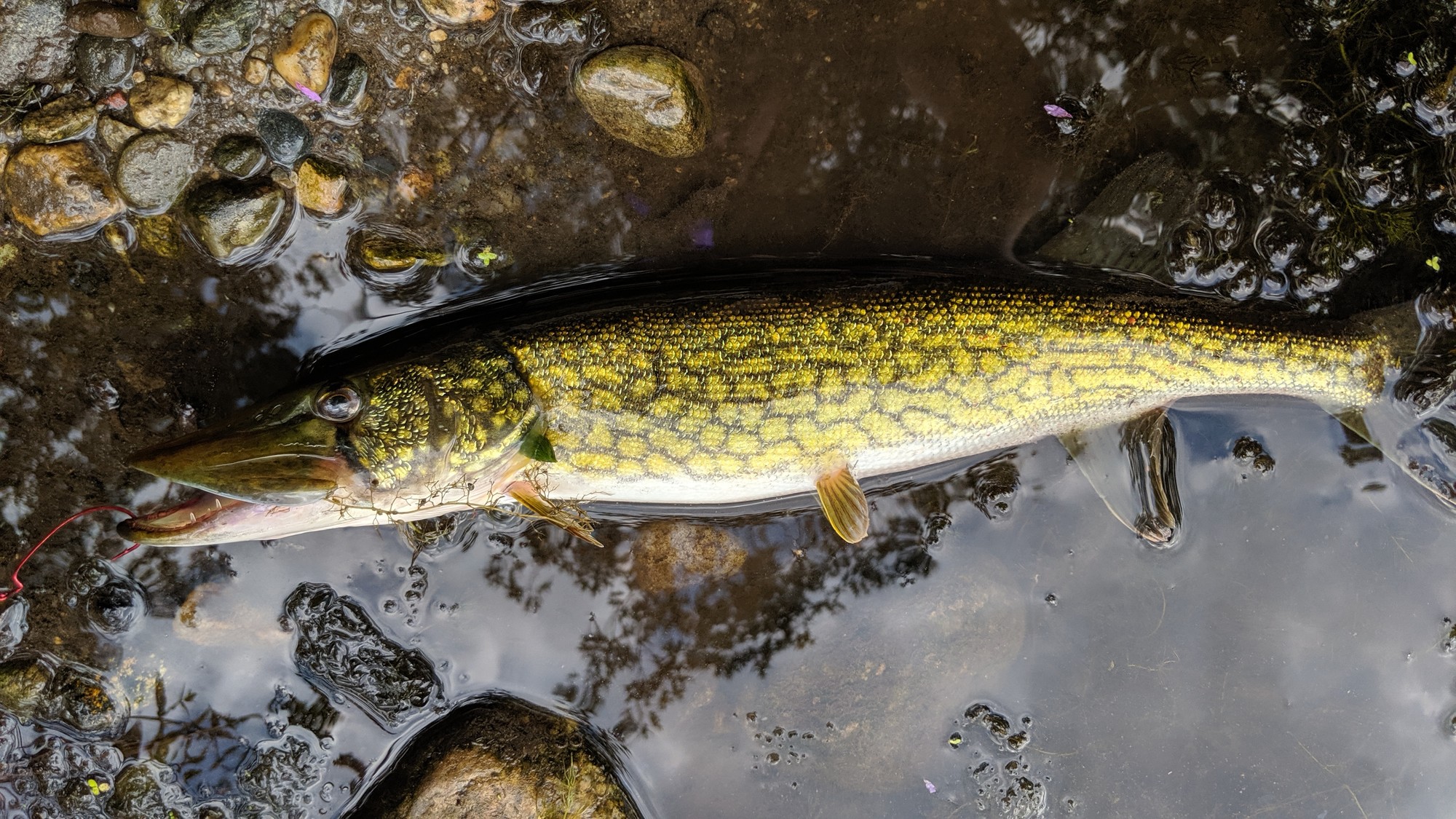
Green to golden-green sides marked by dark, interconnected chain-like lines, the source of its name.
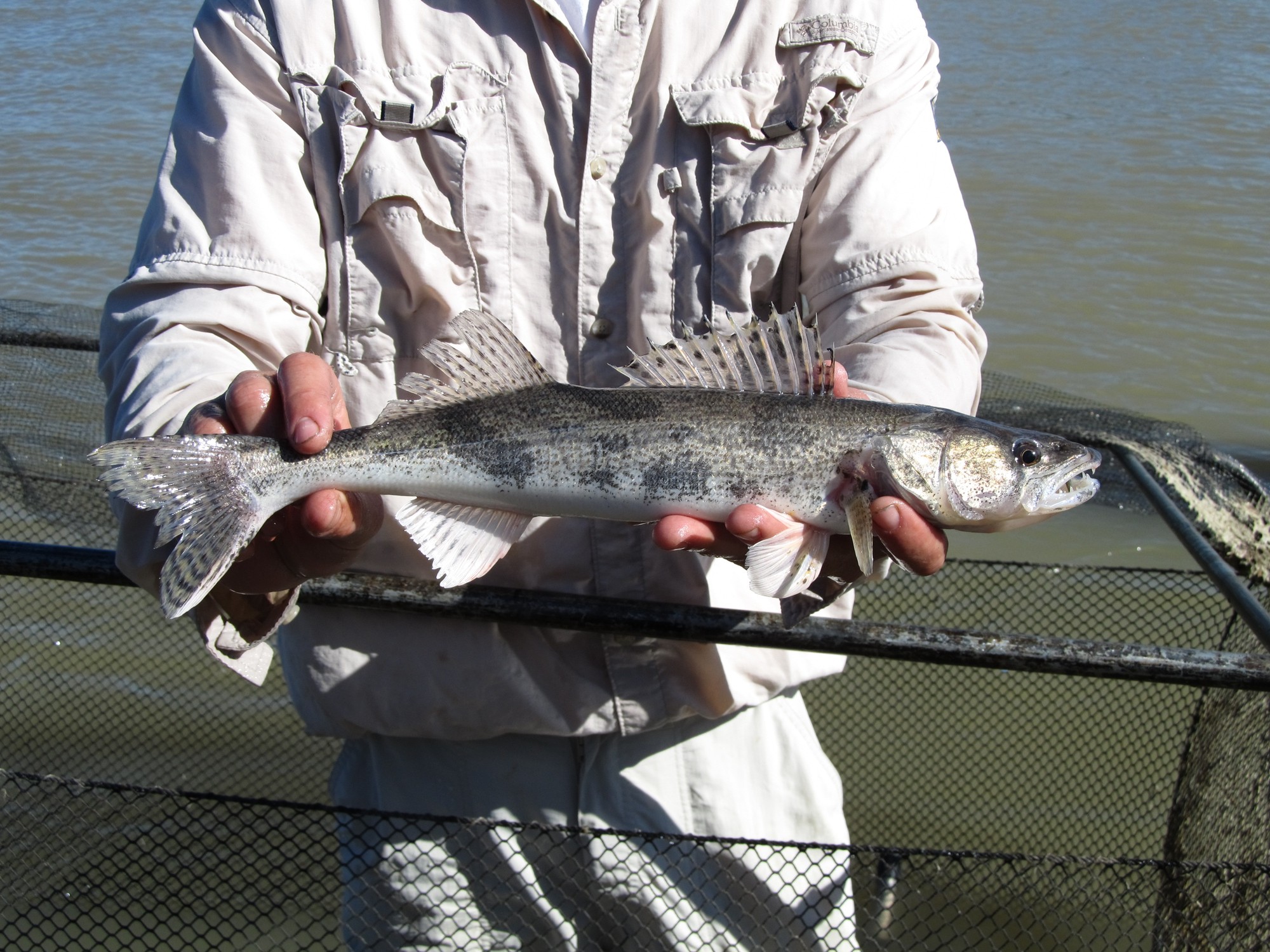
Three or more rows of distinct dark spots on the spiny first dorsal fin, unlike walleye's single solid dark blotch at its base.
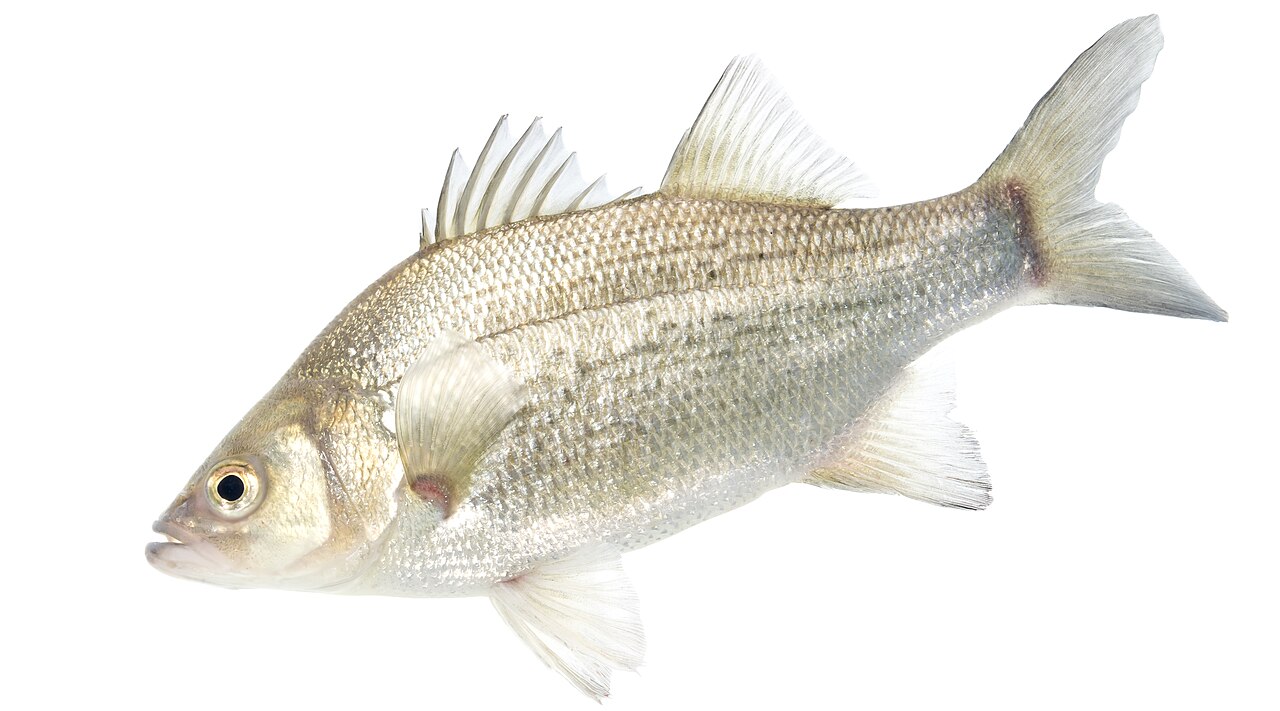
Gray, charcoal, or green back with silvery sides and a white belly.
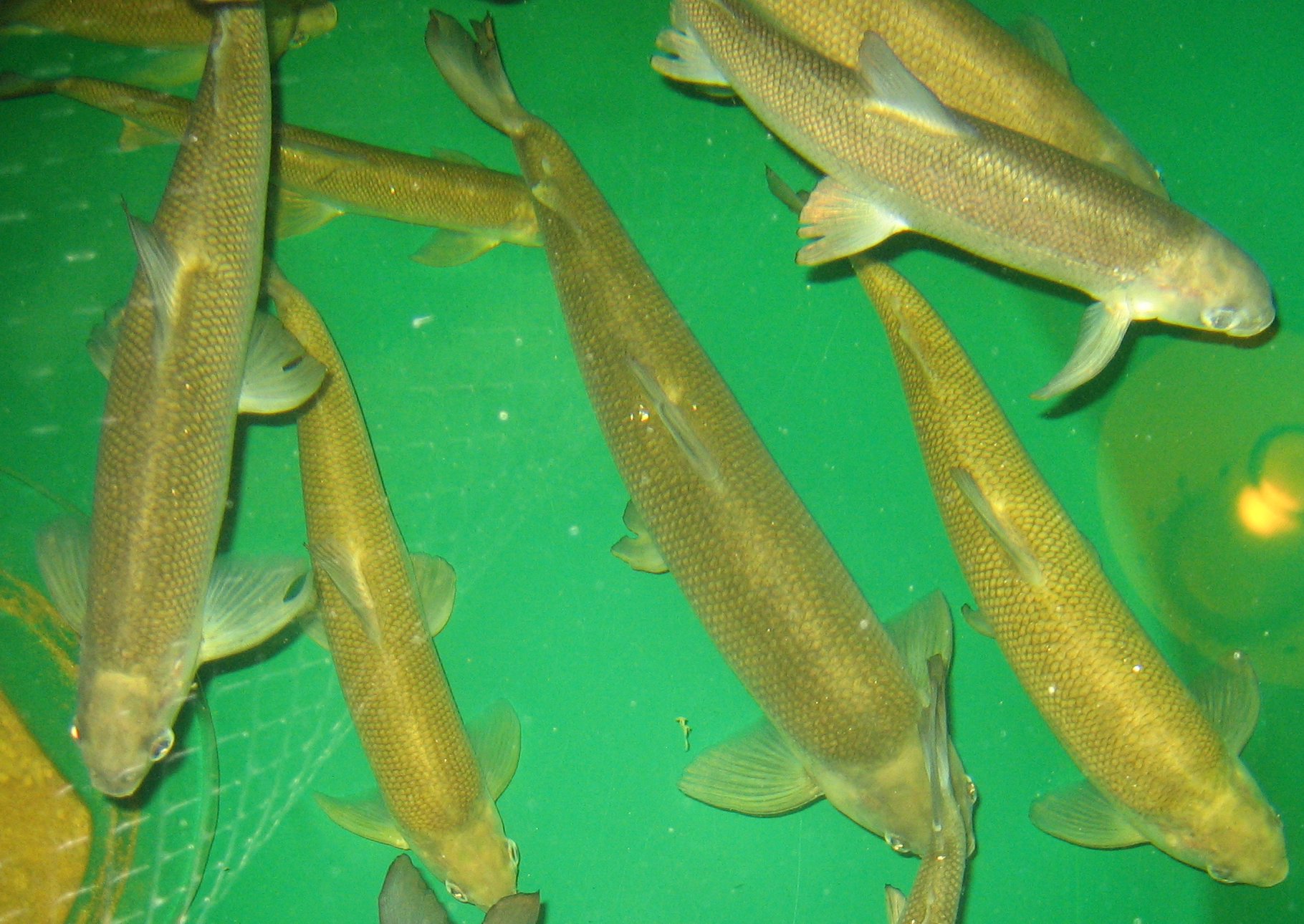
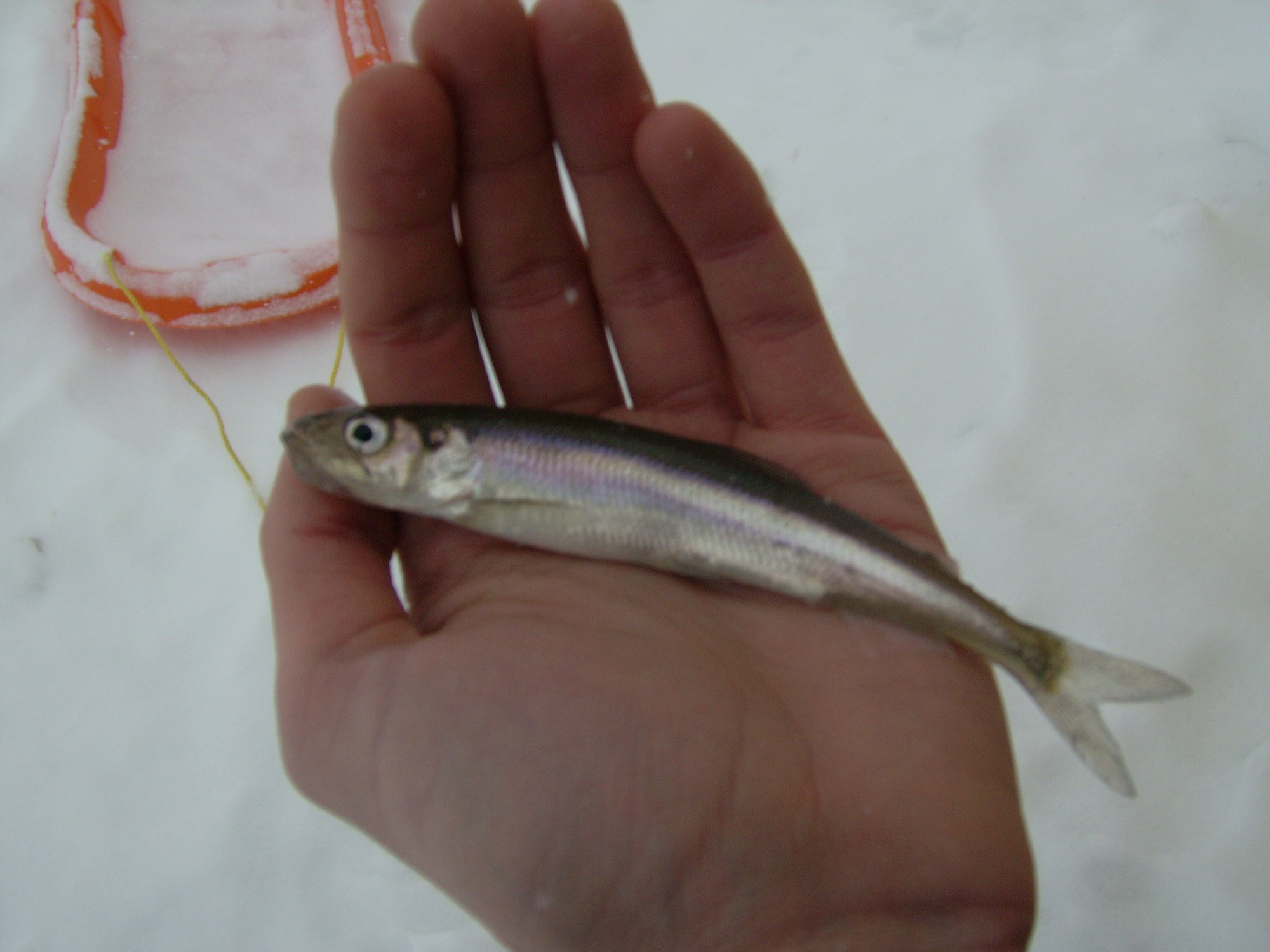
Slender body with a small, blunt, subterminal mouth set back under an overhanging snout, unlike cisco's upturned, terminal mouth.
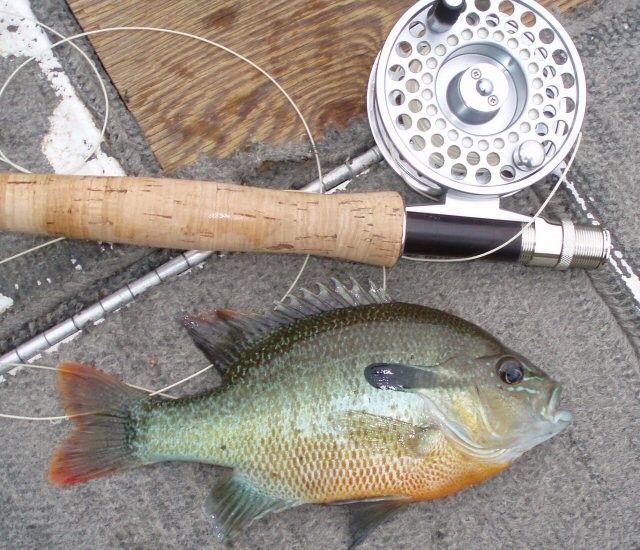
A long, entirely black ear (opercular) flap with no pale border, longer than on most other sunfish.
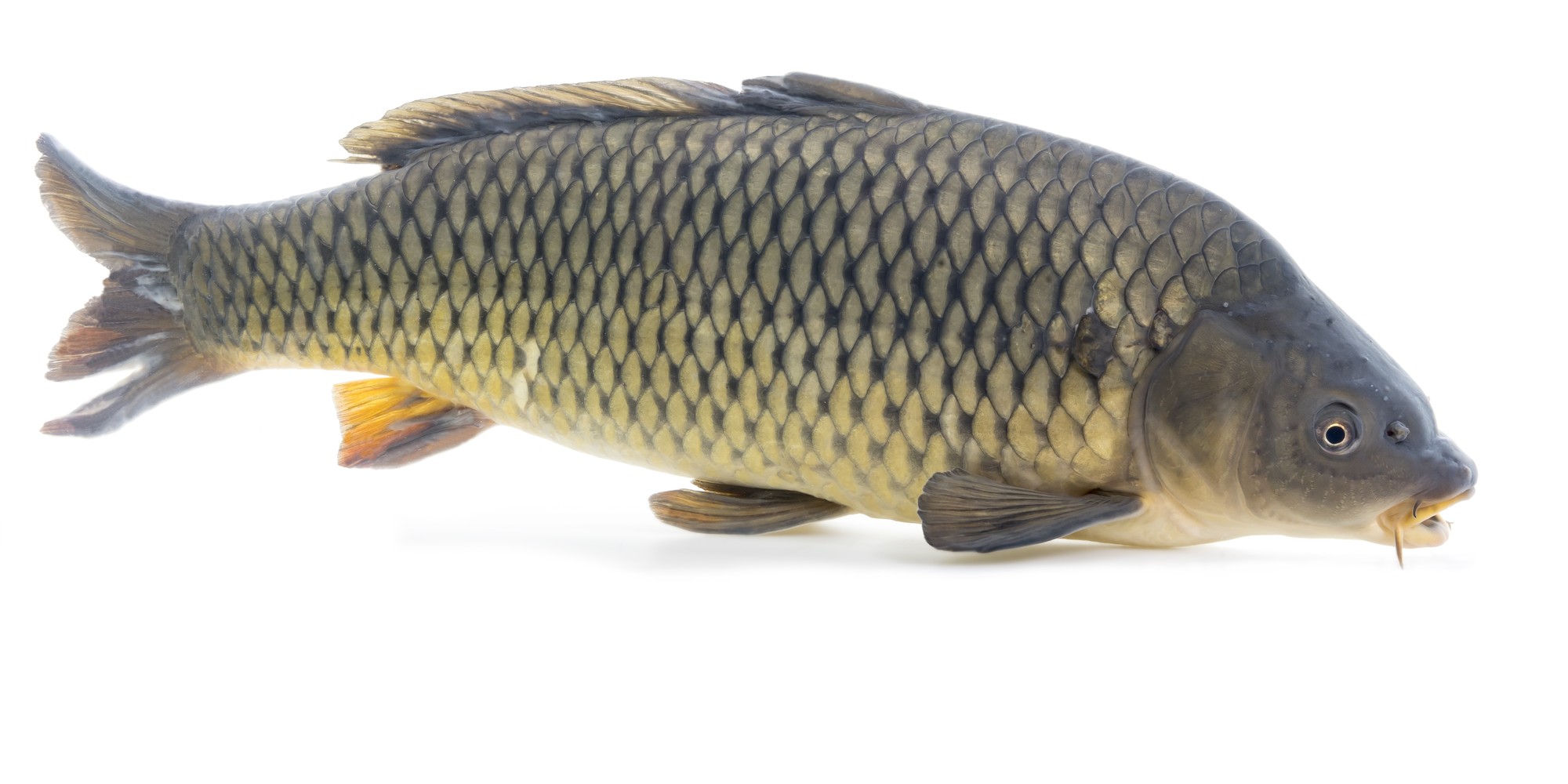
Two barbels on each side of the upper jaw; grass carp, its closest common look-alike, has no barbels at all.
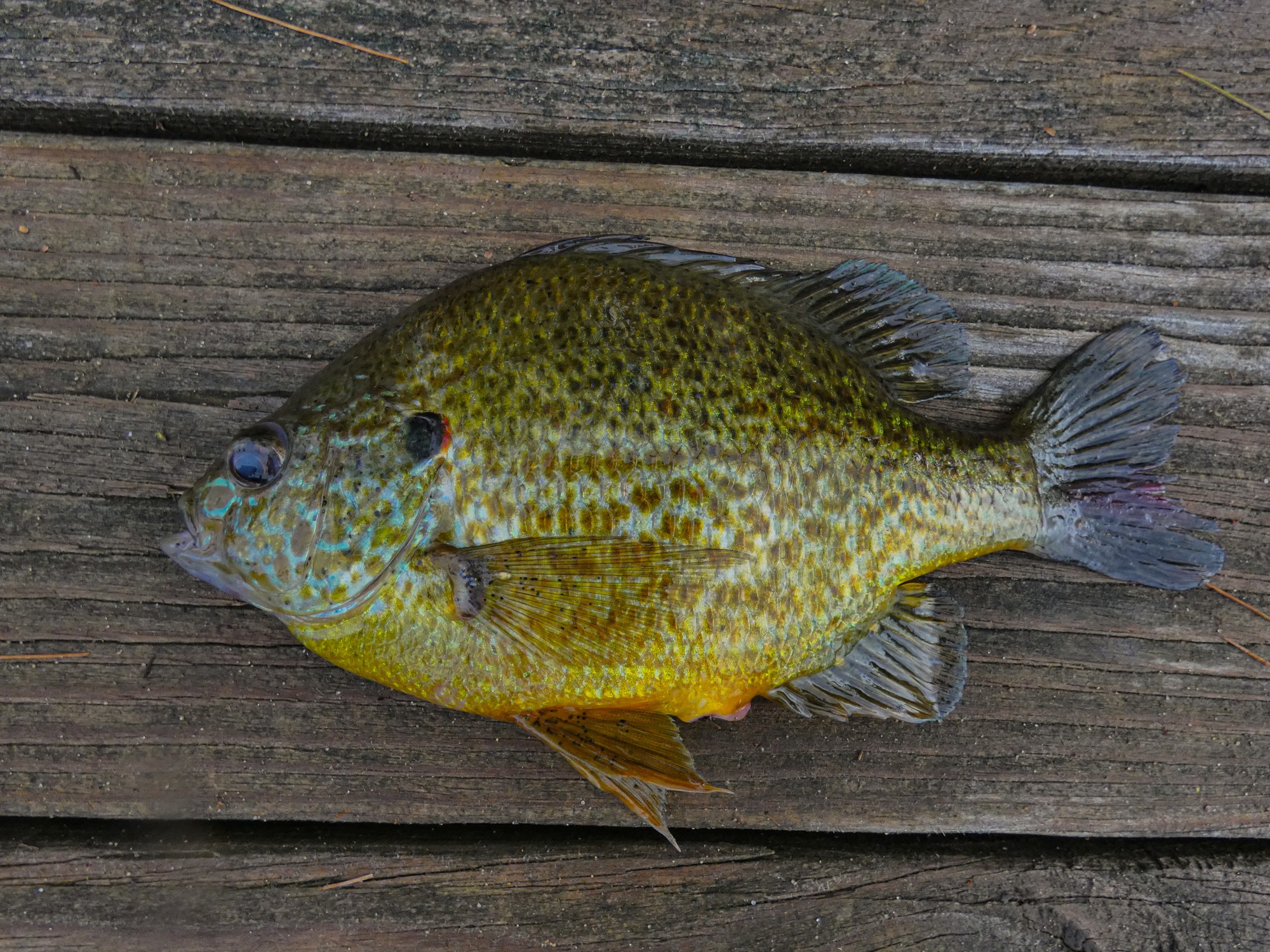
A bright orange-red crescent spot on the tip of the black opercular flap, unlike bluegill's plain black spot.
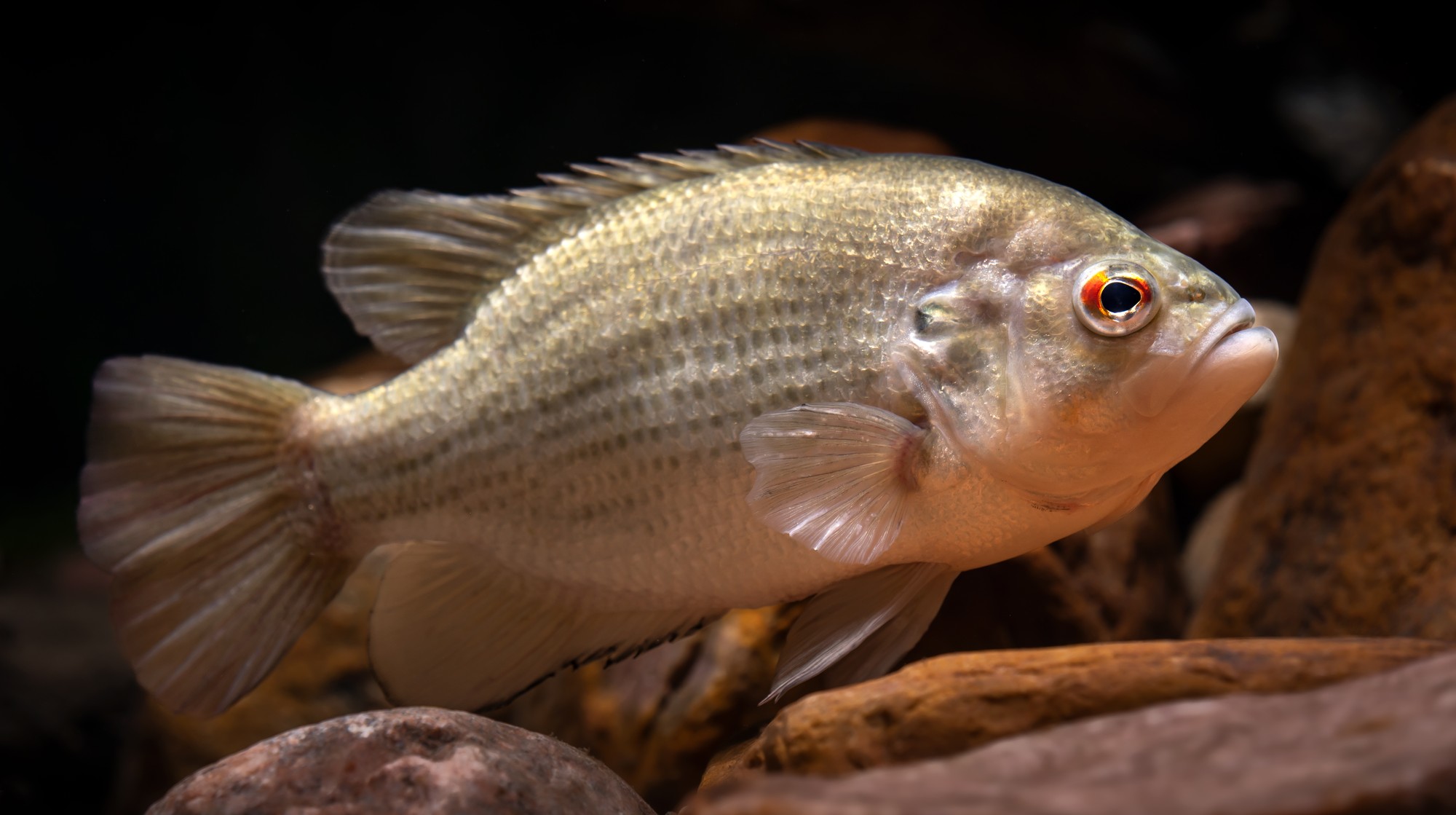
Bright red eyes paired with a stout, thick-bodied build, unusual traits among panfish.
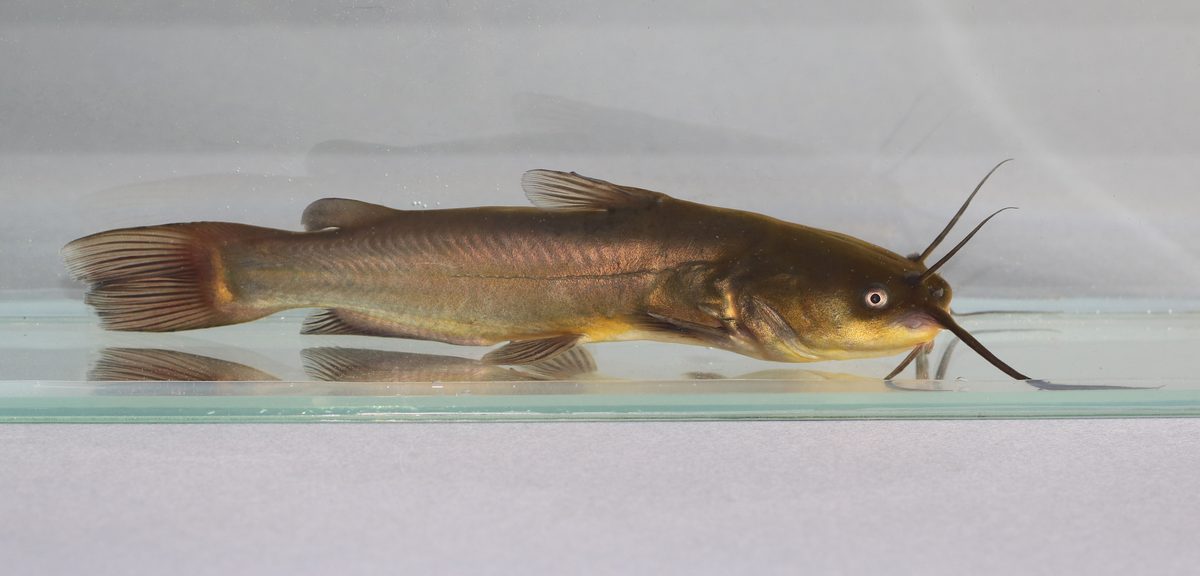
Chin barbels are solid black on all sides, not the mottled yellow-brown of brown bullhead or the pale white of yellow bullhead.
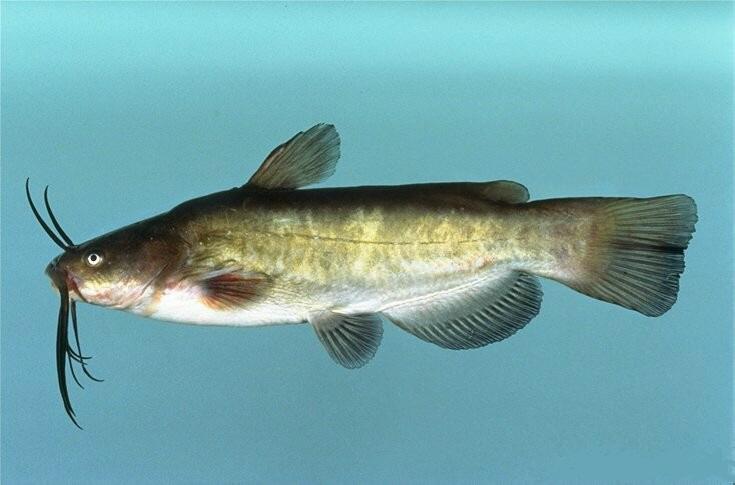
Chin barbels are dusky to blackish on a yellow-brown base, not solid black (black bullhead) or pale white (yellow bullhead).
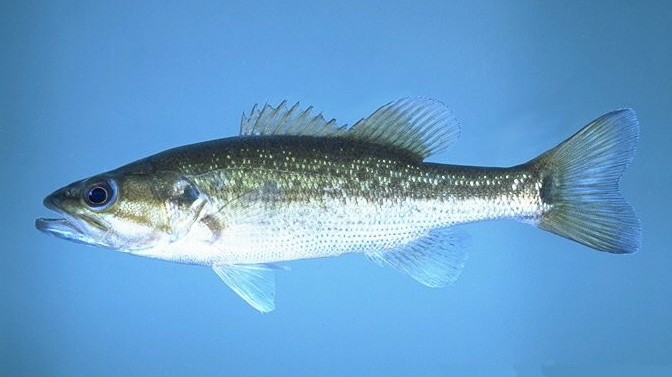
Resembles a largemouth bass in coloration but has a smaller mouth; the upper jaw reaches only to or just past the eye.
No species in this group have a page yet.