Smallmouth Bass
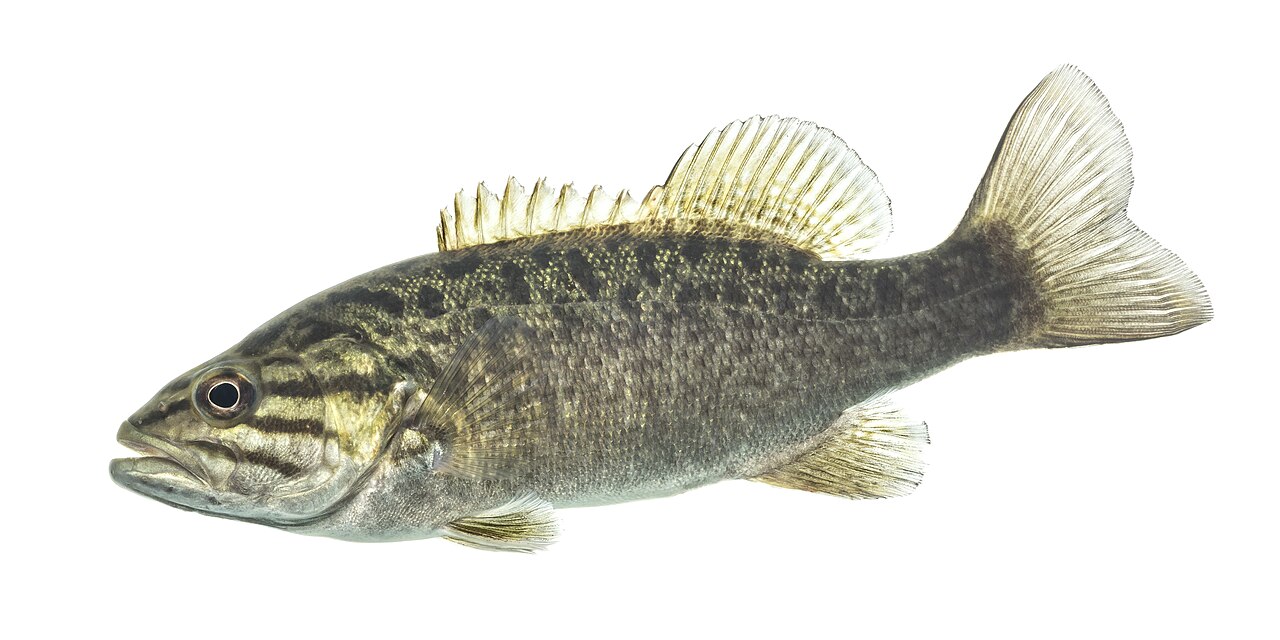
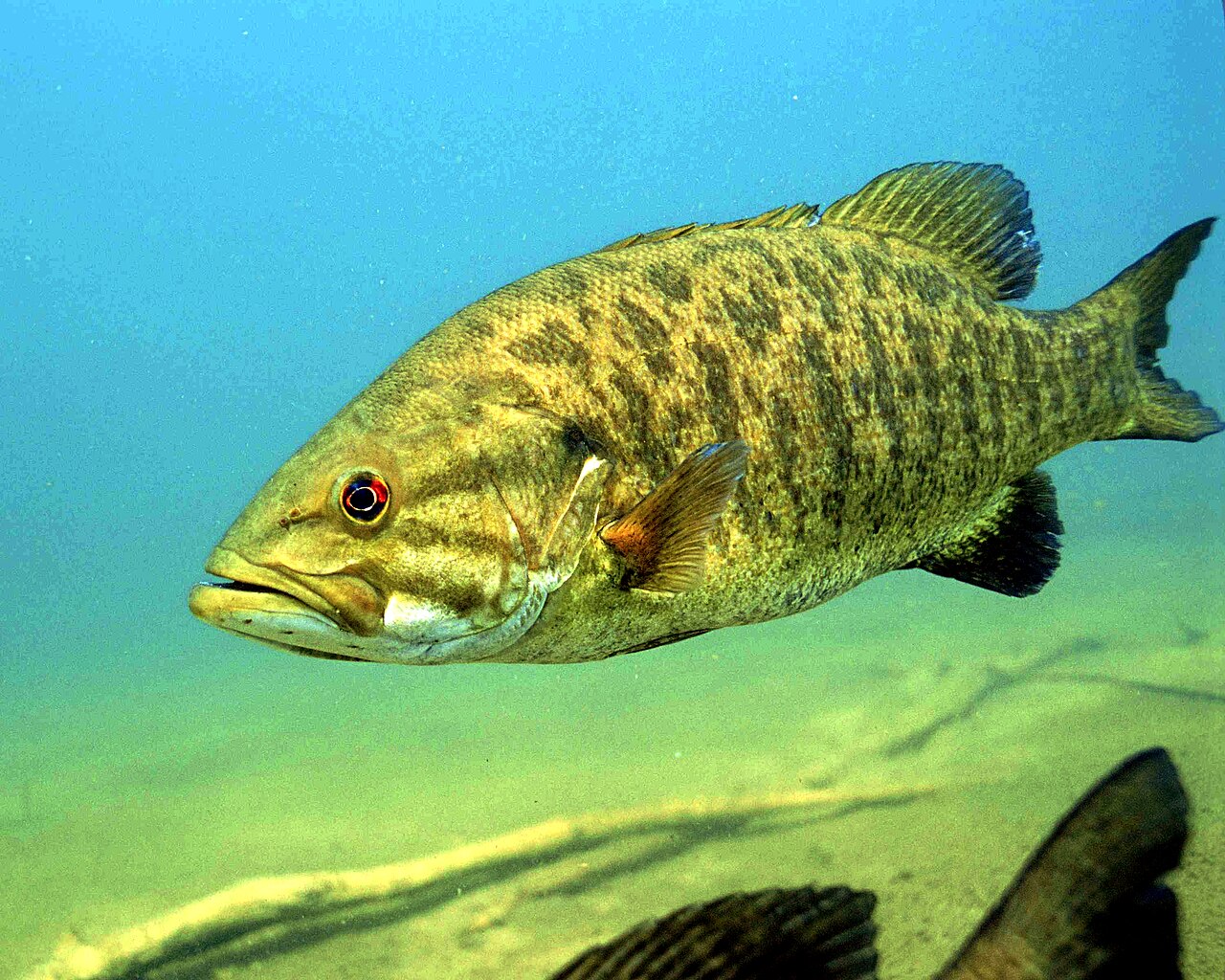
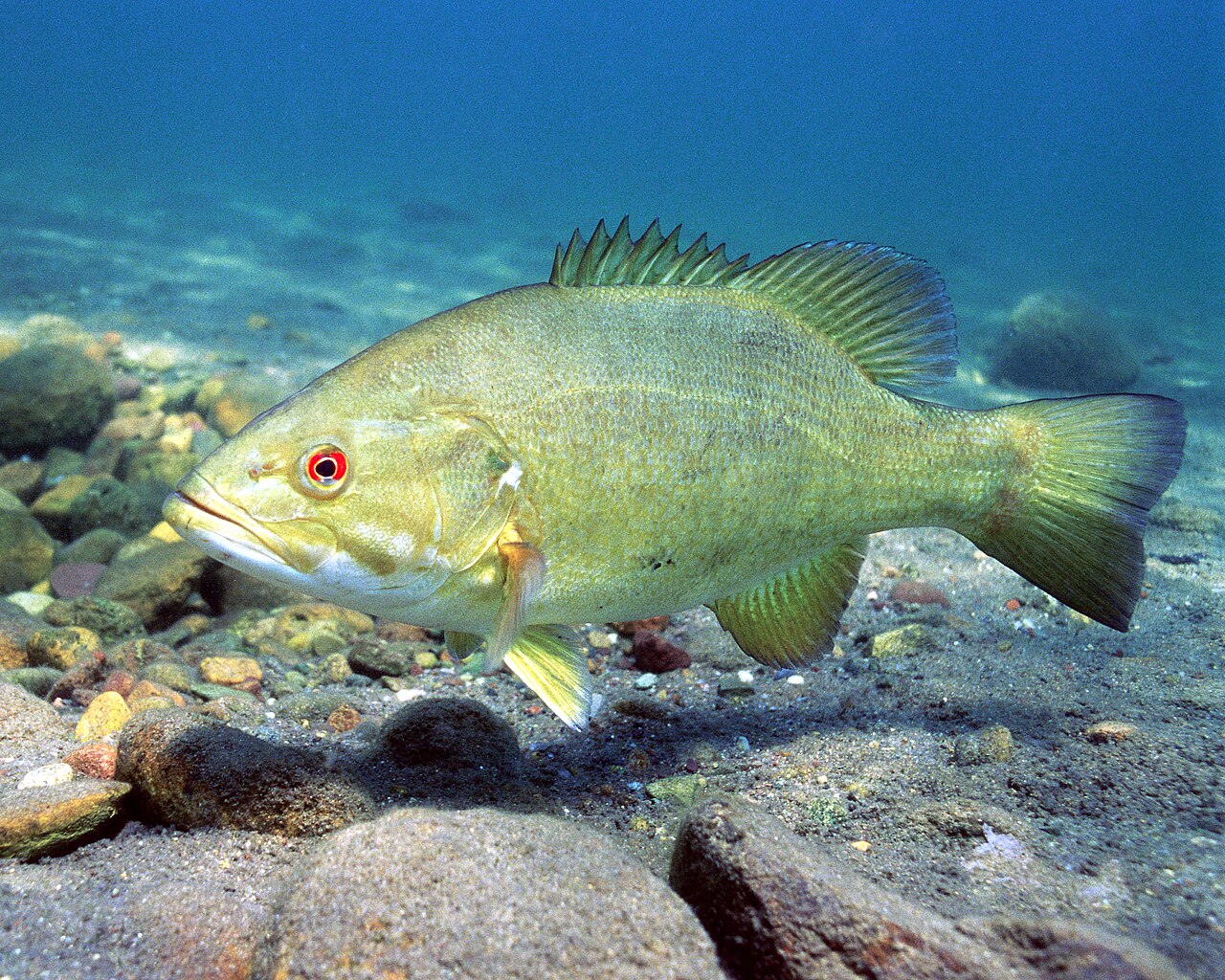
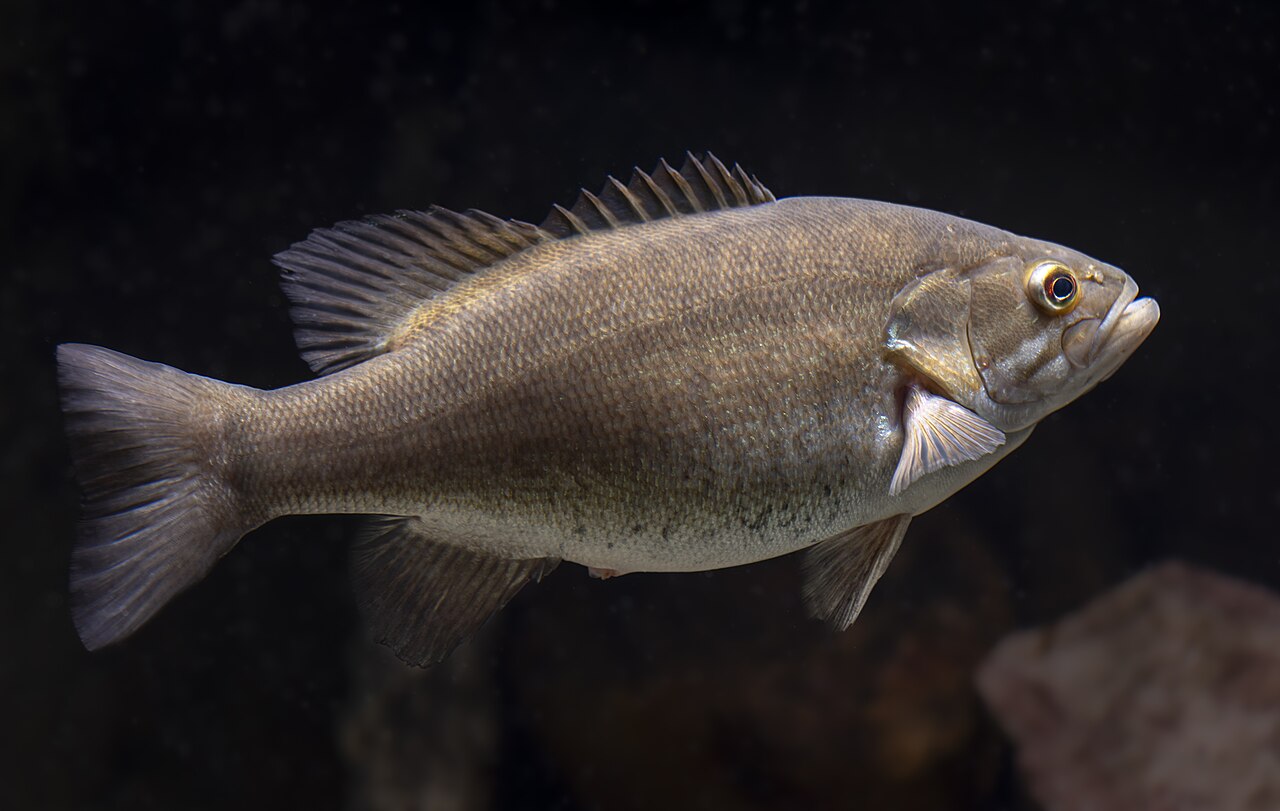
Micropterus dolomieu. Long, bluntly pointed snout; jaw stops near the middle of the eye, unlike the past-the-eye jaw of largemouth bass.
Photos
Click a photo to expand it for a closer look.
.jpg)


.jpg)
Identification
- Long, bluntly pointed snout; jaw stops near the middle of the eye, unlike the past-the-eye jaw of largemouth bass.
- Dark olive to brown back and yellowish sides marked with 8 to 15 (average 9) dark vertical bars.
- Typically 12 to 16 inches, with quality waters producing fish 16 to 24 inches.
Preferred temperature
55–60°F
Depth by season
| Season | Depth | Note |
|---|---|---|
| Spring | – | Fish use shallow gravel flats and stage along current seams ahead of the spawn. |
| Summer | 20–30 ft | Fish rest below the thermocline during the day but move shallow at dawn and dusk to feed. |
| Fall | – | Transitional depths as water temperatures drop toward winter. |
| Winter | – | Fish move beyond 30 feet deep and become largely inactive. |
Active times
- dawn
- dusk
Top lures
- Suspending jerkbait (crankbait , natural shad/silver/black): Cast in spring as water warms, worked with a twitch-pause retrieve over gravel flats.
- Spinnerbait (spinner , chartreuse/white/brown): Cold or transitional water around rocky structure and current seams.
- Football jig with soft plastic grub (jig , green pumpkin/brown/orange): Dragged slowly on rocky bottom to imitate crawfish, the species' favorite food.
- Drop-shot finesse worm (soft plastic , green pumpkin/watermelon/smoke): Deep summer and fall structure fishing below the thermocline.
- Topwater popper (crankbait , white/bone/black): Low-light dawn and dusk windows over rocky shorelines and drop-offs.
Top baits
- Live crawfish: Hooked underneath the tail and worked back along rocky bottom.
- Nightcrawler: Fished with split shot a foot or two above the bait to reach the bottom.
Line & tackle
- Line: 2–10 lb
- Rod power: Light to medium-light action spinning rod with an open-faced reel
- Hook sizes: Size 2 or 4 for live bait, fished with split shot a foot or two above the bait
Stocked behavior
Smallmouth reproduce on their own wherever they take hold: males sweep out a gravel nest in spring and guard the eggs, so a water rarely needs repeat plants. Populations west of the species' native range came from intentional stocking for sport fishing and are now established, and biologists put smallmouth into Flaming Gorge Reservoir to crop down its Utah chub.
Common mistakes
- Fishing away from rock; smallmouth relate strongly to rocky bottom, drop-offs, and current seams.
- Staying shallow all summer; fish often rest below the thermocline during the day and only move shallow at dawn and dusk.
- Using bulky presentations when crawfish-imitating jigs and finesse worms often out-produce bigger lures.
State records
| State | Weight | Angler | Water | Year |
|---|---|---|---|---|
| Washington | 8.75 lbs | Ray Wonacott | Columbia River, Hanford Reach | 1966 |
| Utah | 7 lbs. 6 oz. | Alan Iorg | Midview Reservoir (Lake Borham) | 1996 |
Sources: Washington's official record page , Utah's official record page , accessed 2026-09-19.
Where it's stocked
1 location shown. Click a pin for details.
Utah
Sources
- identification (accessed 2026-09-18)
- preferred_temp_f (accessed 2026-09-18)
- depth_by_season (accessed 2026-09-18)
- active_times (accessed 2026-09-18)
- active_times (accessed 2026-09-19)
- top_lures (accessed 2026-09-18)
- top_lures (accessed 2026-09-19)
- top_baits (accessed 2026-09-19)
- line_and_tackle (accessed 2026-09-19)
- line_and_tackle (accessed 2026-09-19)
- common_mistakes (accessed 2026-09-18)
- stocked_behaviour (accessed 2026-09-19)
- stocked_behaviour (accessed 2026-09-19)
- line_and_tackle (accessed 2026-09-19)